
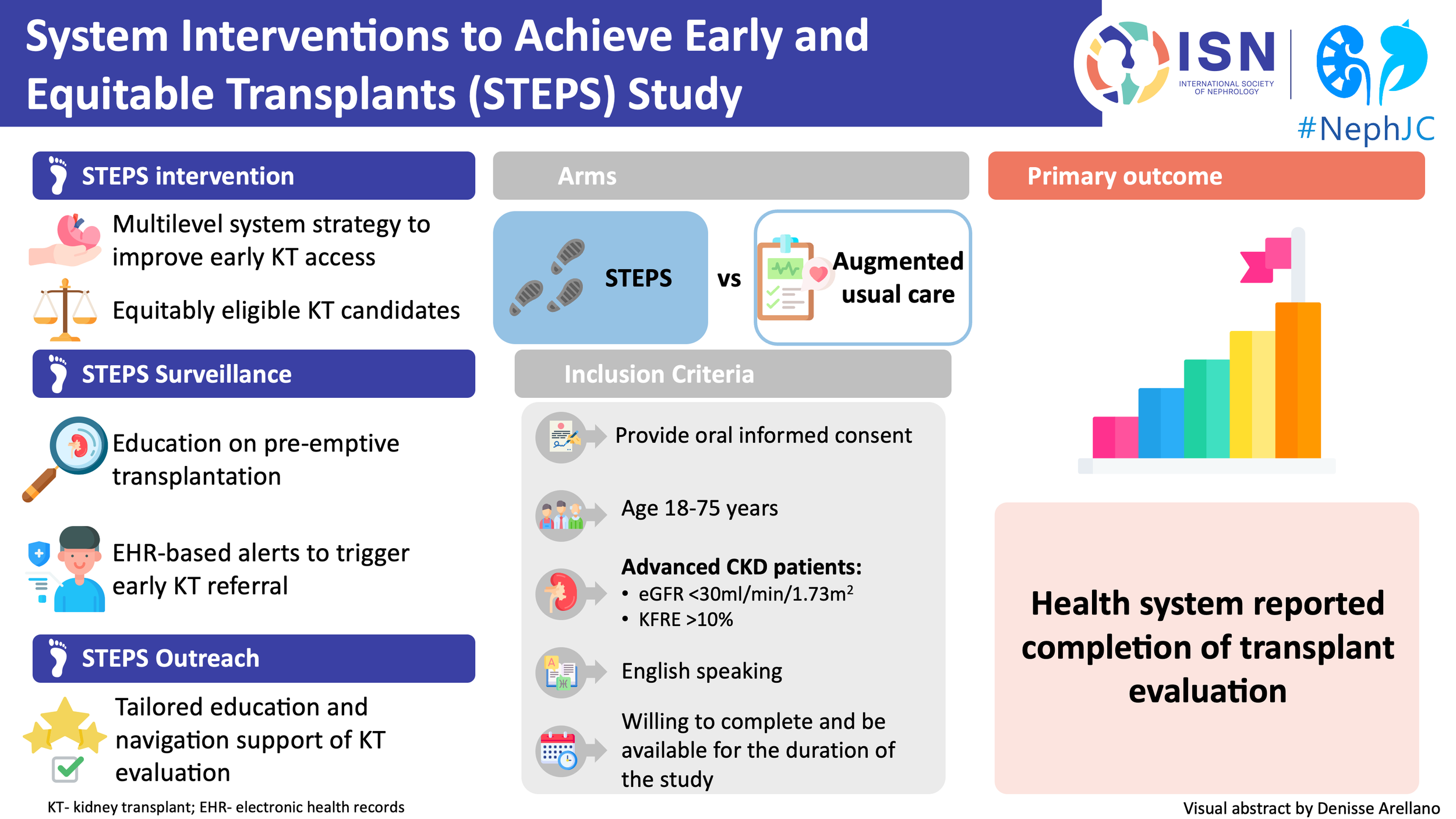
The last NephJC of the year brought us a cool discussion on if cooling dialysate could help mitigate the effects of intradialytic hypotension. Get caught up with the chat in the latest edition of #TenTweetNephJC.
Background
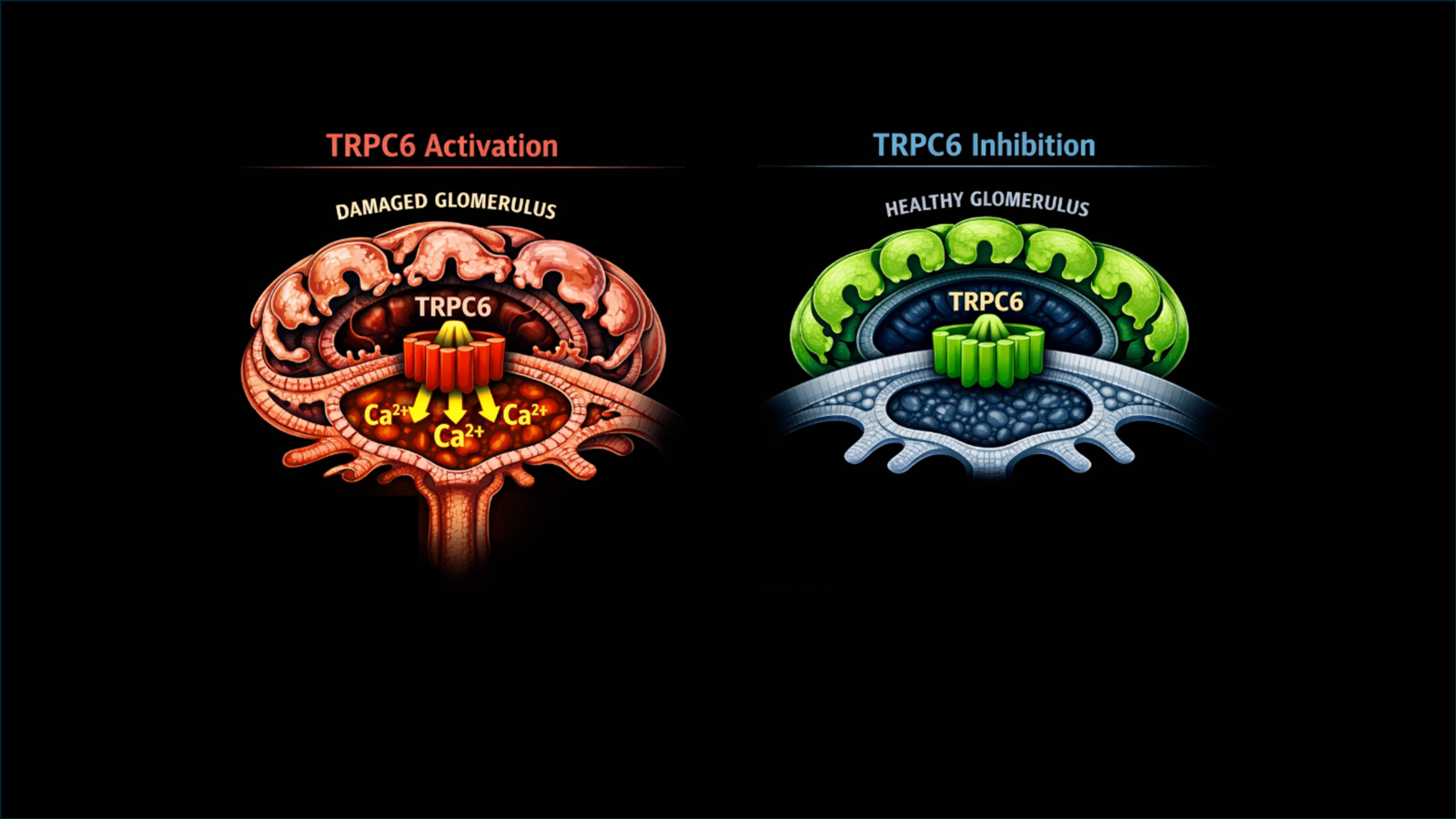
This week, we will discuss a phase 2 trial of the TRPC6 inhibitor BI 764198 in FSGS—an early signal for a podocyte-targeted therapy showing proteinuria reduction but set against small numbers, heterogeneity, and methodological trade-offs that frame this as direction-finding rather than definitive evidence.
Background
This week, we will discuss why a large registry cohort was needed to move past decades of scattered case reports and clarify the true risk of hydralazine‑associated vasculitis. When rare events hide in noise, only scale can reveal the signal. Can population‑level data finally bring this paradox into focus?
Background
This week, we will discuss the HIT trial- a large randomized study challenging one of the most reflexive responses in hospital medicine: see hyponatremia, fix the sodium. But what if correcting the number doesn’t change what actually matters?