
Why was the study done?
Fluid resuscitation has long been a pillar of septic shock treatment. However, the evidence so far has weakened the idea for treating 30 mL/kg as a rigid universal target. At the bedside, the decision is rarely based on metrics. Fluids may restore effective circulating volume, yet beyond the point of fluid responsiveness, another bolus may provide diminishing hemodynamic benefit while worsening tissue edema, venous congestion, pulmonary edema, cardiac dysfunction, and oxygenation (Prescott HC et at, CCM 2026 | Monnet X et al, Intensive Care Med 2025).
So, when to stop giving fluids and transition to early vasopressor support?
The “fluid wars” have challenged the assumption that more is better, but so far, less has not clearly translated into better outcomes. The closest precedent is the CLOVERS (Shapiro NI et al, NEJM 2023) and the CLASSIC trial (Meyhoff TS et al, NEJM 2022 | NephJC Summary | Freely Filtered discussion), which tested different points along the resuscitation pathway without improving mortality. Perhaps mortality alone does not capture the entire effect of an early hemodynamic strategy?
ARISE FLUIDS (Peake SL et al, NEJM 2026) moved the question into an ED strategy comparison: after initial fluid resuscitation has begun, can restricting additional fluid and initiating vasopressors earlier improve patient-centered outcomes? Rather than selecting mortality alone, the investigators chose days alive and out of the hospital through day 90 (DAOH-90) as the primary outcome integrating survival, hospitalization, and readmission. The hope was that this new trial would help shape recommendations towards a more individualized approach to fluid resuscitation in sepsis (Prescott HC et at, CCM 2026 | Monnet X et al, Intensive Care Med 2025).
What they did?
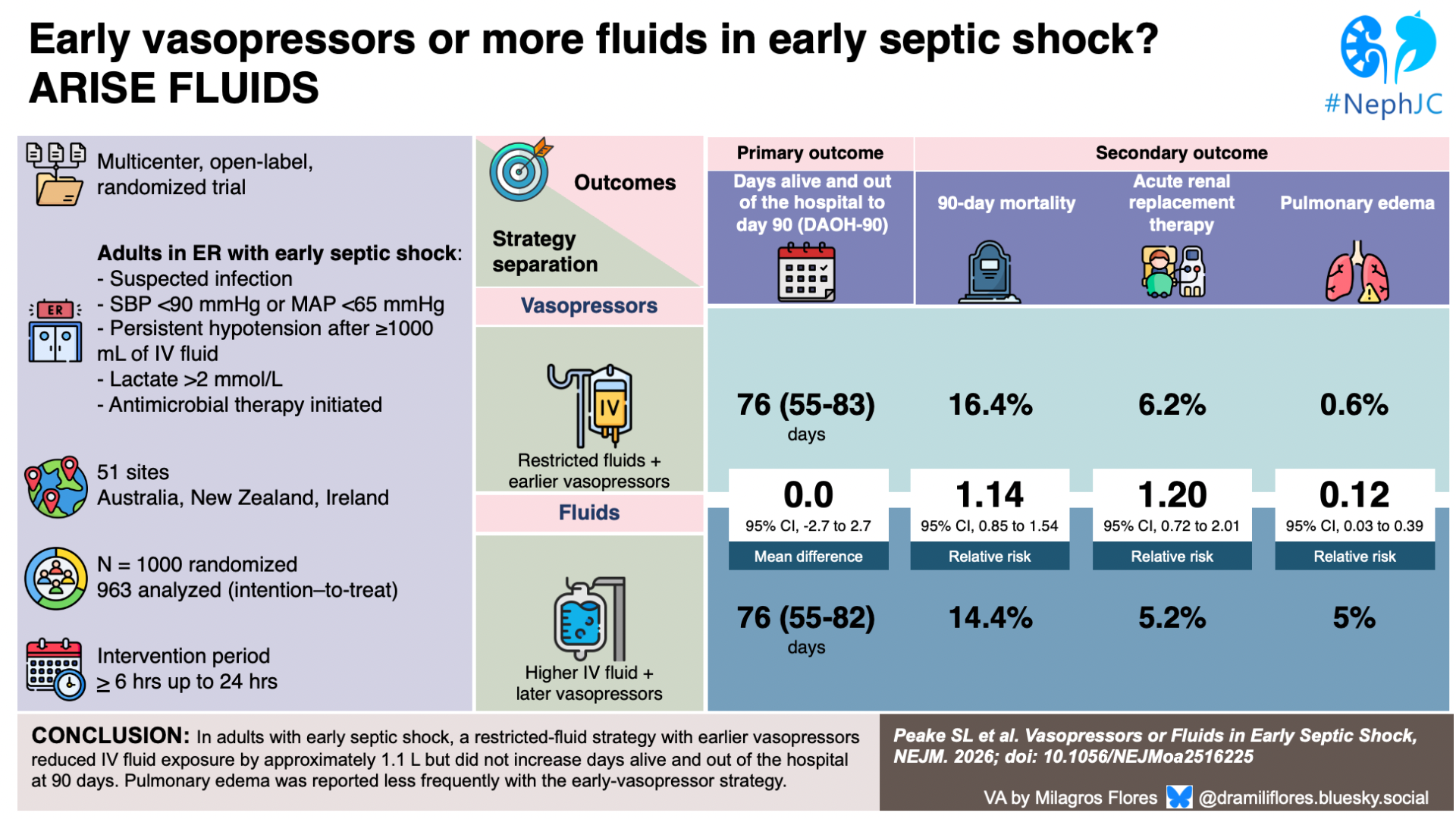
Australian Resuscitation in Sepsis Evaluation: Fluid or Vasopressors in Emergency Department (ARISE FLUIDS).
Investigator-initiated, multicenter, open-label, randomized superiority trial conducted at 51 hospitals in Australia, New Zealand, and Ireland.
Randomization occurred in patients presenting to the ED with suspected sepsis and persistent hypotension (systolic blood pressure <90 mm Hg or mean arterial pressure <65 mm Hg) and lactate >2.0 mmol/L while receiving the first dose of an antimicrobial agent, despite at least 1L of IV fluid.
Important exclusions included more than 2 L of fluid before enrollment, more than 6 hours since ED presentation, more than 2 hours since the final inclusion criterion was met, hypotension attributed to another cause, an immediate need for surgery, imminent death, or a clinician determination that either strategy was unsuitable.
These criteria selected an early, still-modifiable phase of shock rather than established refractory ICU shock.
Patients were randomized 1:1, consent was not obtained for 37 patients; the intention-to-treat population included 963 participants: 481 assigned to the vasopressor strategy and 482 to the fluid strategy. The assigned strategy continued for at least 6 hours, and up to 24-hours, while patients remained in a critical-care area.
Vasopressor strategy: routine resuscitation fluid was stopped, vasopressors were started immediately and titrated to the blood-pressure target, and 250-mL rescue boluses were allowed when clinically indicated.
Fluid strategy: up to 1L was given during the first hour, followed by 500-mL boluses when hypotension or hypoperfusion persisted; vasopressors were started after the fluid target was restored or when further fluid was not considered appropriate.
Outcomes
Primary:
Days alive and out of the hospital through day 90 (DAOH-90)
Secondary:
Mortality; days alive at home; and days free of mechanical ventilation, vasopressors, and acute kidney-replacement therapy.
Safety included pulmonary edema, vascular-access complications, ischemic events, and serious adverse events.
Figure 1. ARISE FLUIDS study algorithm from Peake SL et al, NEJM 2026
What do the results say?
The groups were balanced at baseline. Median age was 68 years in the vasopressor group and 69 years in the fluid group, median APACHE II score was 18 in both groups, and median lactate was approximately 3.2–3.3 mmol/L. Both groups had already received a median of 1.5 L, approximately 18 mL/kg, prior randomization.
Table 1. Selected baseline characteristics, from Peake SL et al, NEJM 2026
Did the trial separate the two strategies?
By 6 hours, the vasopressor group had received a median of 500 mL of additional fluid versus 1,500 mL in the fluid group. By 24 hours, the corresponding volumes were 1,140 mL versus 2,248 mL, a median difference of −1,108 mL (95% CI, −1,395 to −850). Vasopressors were started a median of 1 hour earlier (0.4 vs 1.4 hours), and more patients received them during the first 24 hours (86.5% vs 67.6%; difference, 18.9 percentage points; 95% CI, 13.3 to 24.5). Peripheral administration was common (71.9% vs 55.4%).
Primary outcome:
The median number of days alive and out of hospital at day 90 was: 76 days vs 76 days, for early vasopressors versus more fluids, respectively.
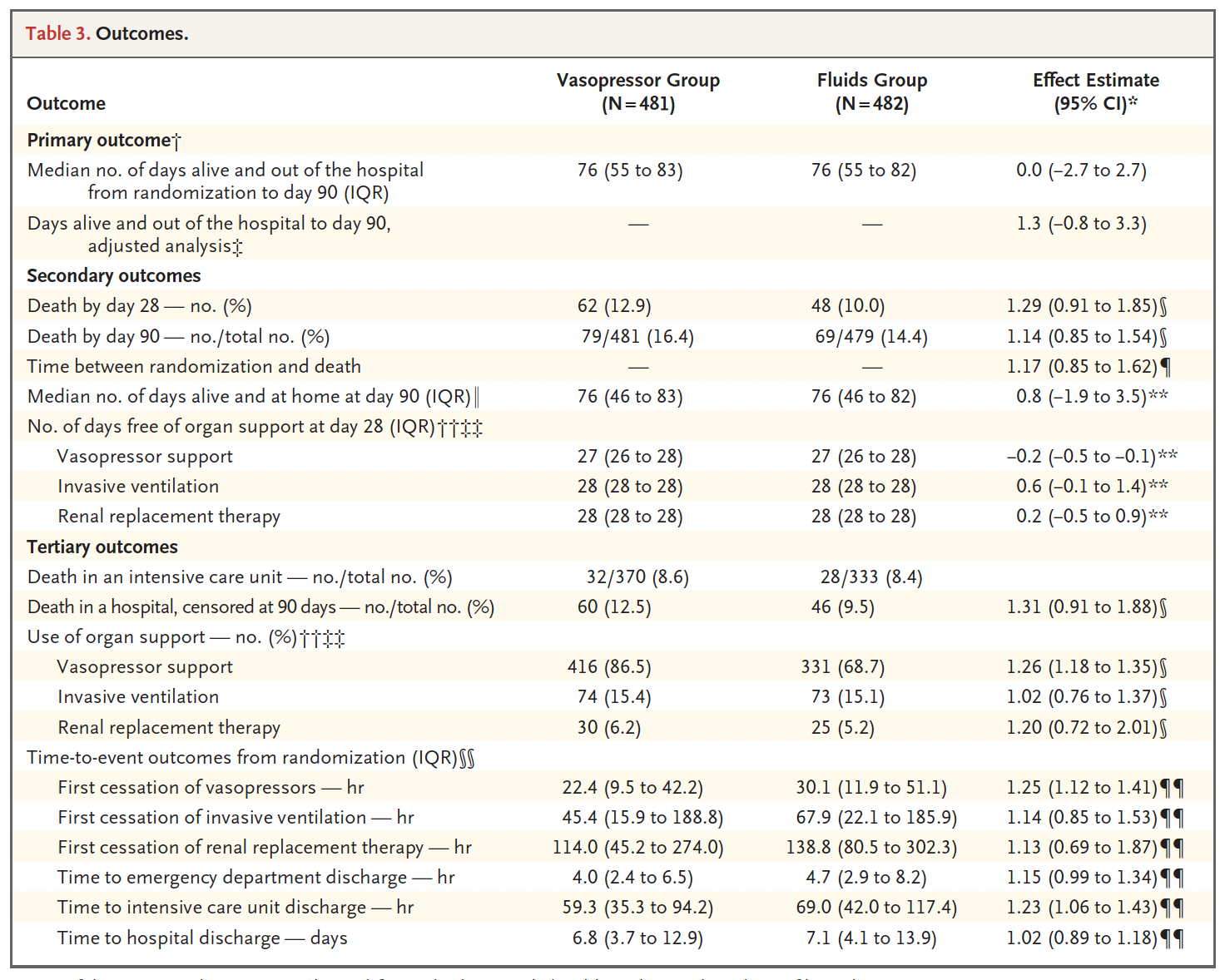
Table 3. Outcomes, from Peake SL et al, NEJM 2026
Restricting additional fluid and starting vasopressors earlier did not improve the primary patient-centered outcome. The adjusted analysis showed no clear difference for the major secondary outcomes, including mortality.
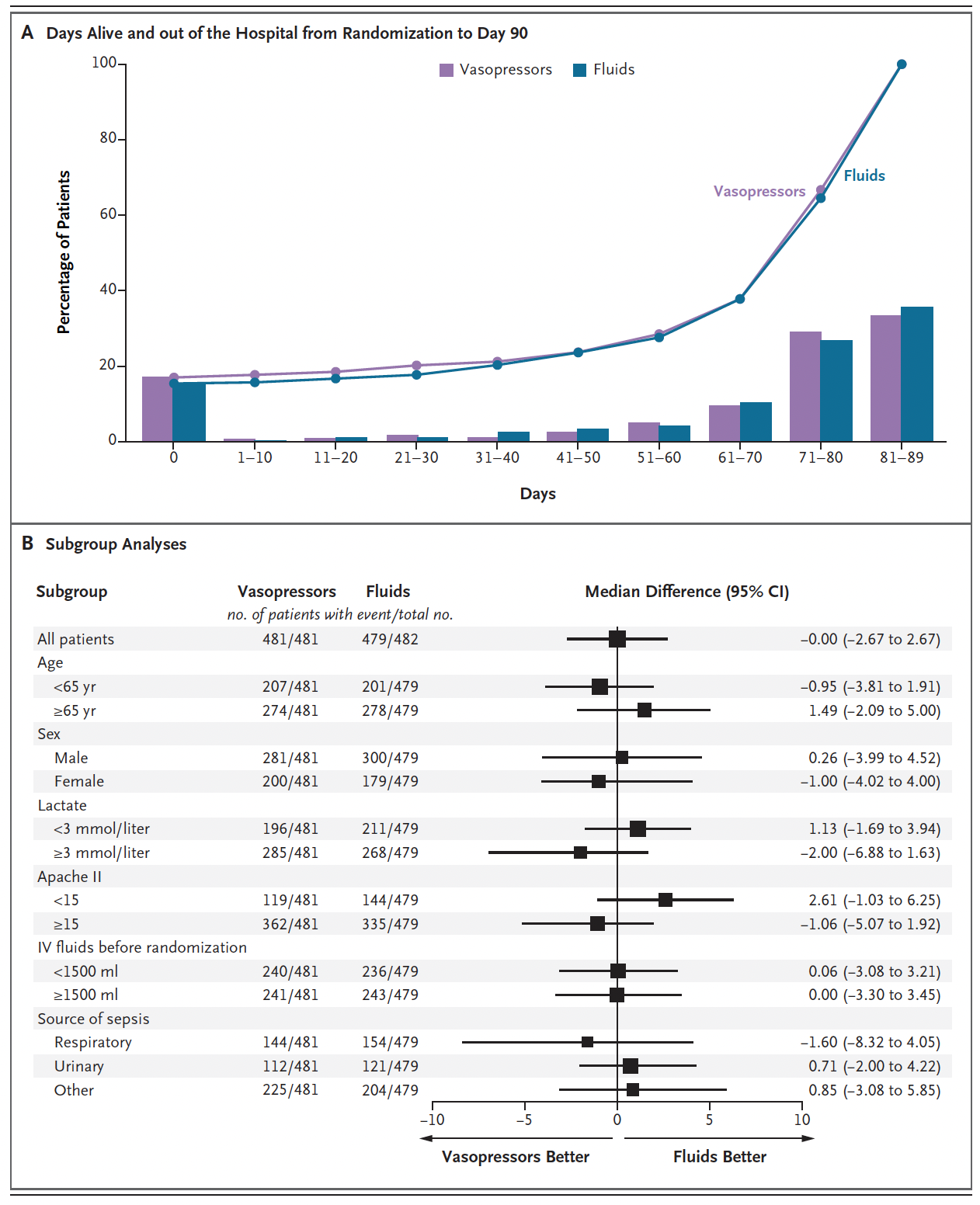
Figure 2. Distribution of DAOH-90 and subgroup analysis, from Peake SL et al, NEJM 2026
Ninety-day mortality was 16.4% with the vasopressor strategy and 14.4% with the fluid strategy (RR, 1.14; 95% CI, 0.85 to 1.54). Mortality at 28 days, days alive at home, and days free of mechanical ventilation or acute kidney-replacement therapy were also similar. Also, vasopressor-free days were slightly fewer in the early-vasopressor group,
Pulmonary edema occurred in 0.6% of patients assigned to early vasopressors versus 5.0% assigned to more fluid (RR, 0.12; 95% CI, 0.03 to 0.39; P<0.001). Other adverse events were uncommon and broadly similar; no ischemic events or serious adverse events were reported.
Critical view
So, the ARISE FLUIDS is not exactly a trial of “vasopressors versus fluids”. Both groups received fluids, and also received vasopressors. The trial compared the timing and relative emphasis of these two therapies, achieving a clear separation between treatment strategies in a controlled setting. This strategy did not improve the overall recovery, but it did reduce the fluid exposure.
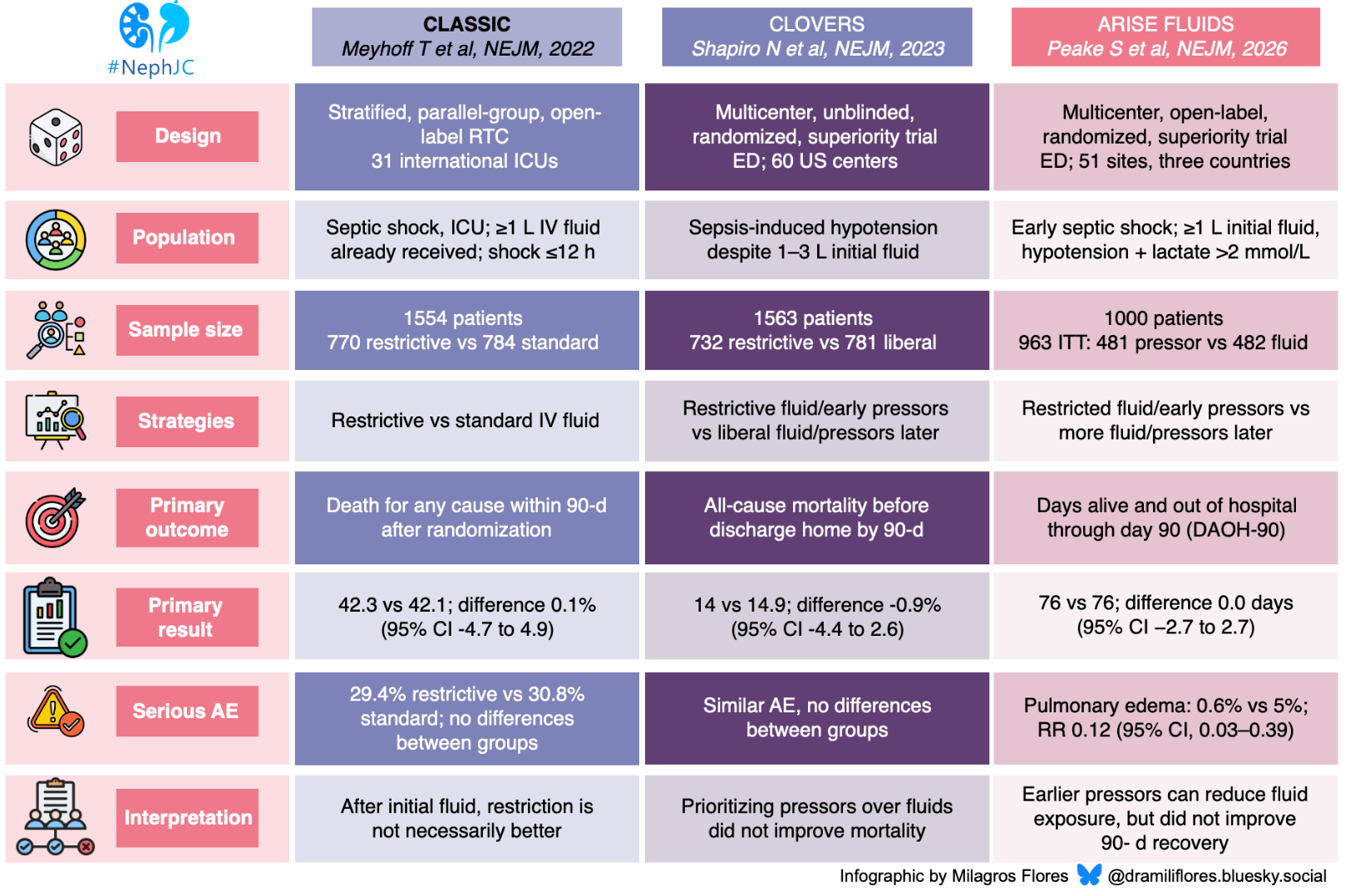
This finding fits into an increasingly consistent story from CLASSIC and CLOVERS : changing fluid exposure is feasible, but simply giving less fluid has not produced a universal advantage.
CLASSIC trial achieved 2L lower ICU fluid exposure, but 90-day mortality was essentially identical (42.3% vs 42.1%), as were days alive without life support and days alive out of hospital. CLOVERS moved the question and prioritized vasopressors over additional fluid. The restrictive group received about 2.1L less fluid, with earlier and longer pressor use, but death before discharge home by day 90 was similar (14.0% vs 14.9%; P=0.61). In ARISE FLUIDS, the fluid separation was smaller, about 1.1L less fluid, with 18.9% vasopressor use, and yet both groups showed no superiority at all.
What about the apparent few patients with pulmonary edema in the vasopressor group? The infection source was heterogeneous, as expected in the sepsis population, and there was a modest imbalance in respiratory infections, with more cases in the fluid group. Could this influence safety outcomes? Still findings remain provocative, particularly given the lower fluid exposure.
This may also be one of the trial's most interesting blind spots. Hemodynamic assessment was still largely driven by conventional clinical variables, and POCUS was not systematically incorporated to characterize fluid responsiveness as part of the strategy. Although CLOVERS allowed its use, it was not part of a standardized intervention.
Conclusion
Where does this leave us? Unsurprisingly, there may not be one resuscitation strategy for every septic patient. The next step may be less about finding another universal fluid threshold and more about identifying the patient's hemodynamic phenotype in real time, integrating perfusion, fluid responsiveness, cardiac function, and venous/pulmonary congestion, to decide who needs another bolus and who needs vascular support instead.
Written by Milagros Flores
Reviewed by Brian Rifkin