NephJC Shorts
Nephrology produces far more new studies each week than NephJC can realistically cover in its twice‑monthly full reviews. That’s why we’re introducing NephJC Short- quick, sharp summaries of notable papers that caught the editorial team’s attention. Suggestions welcome, and feedback too.
🩳Read more on the blog post describing this initiative.
Upcoming NephJC Shorts
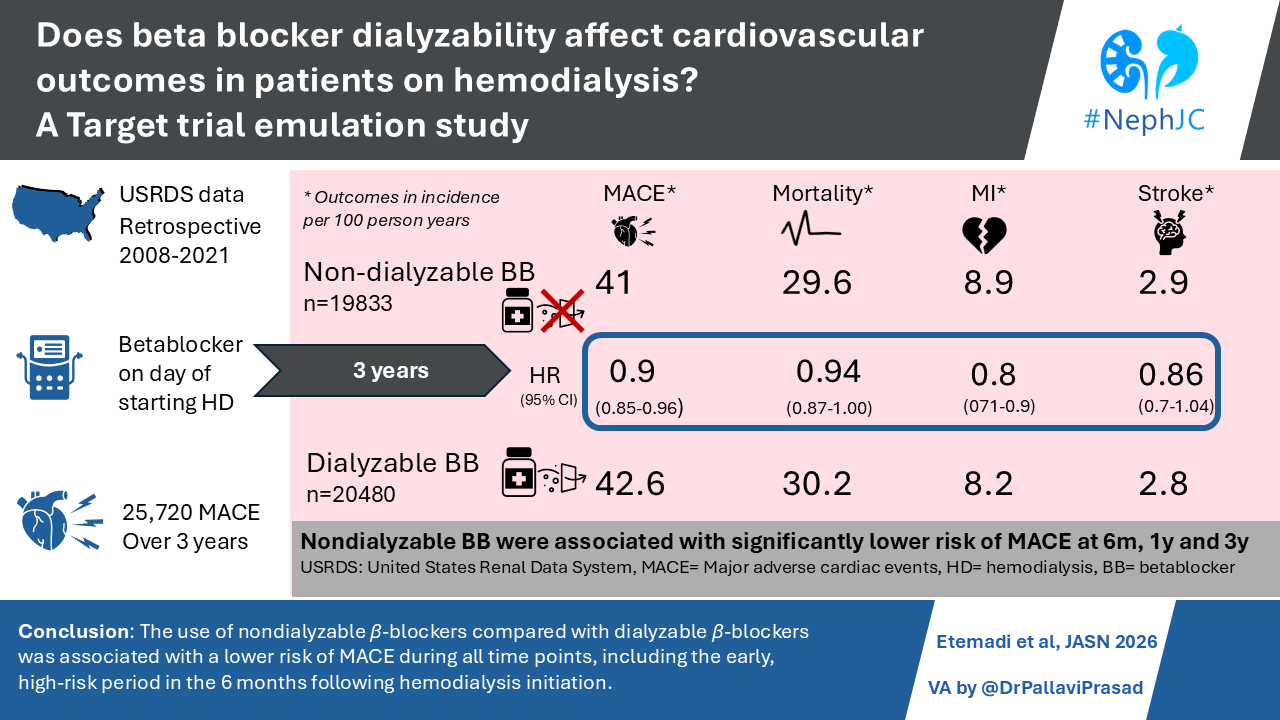
Nondialyzable versus Dialyzable Beta-Blockers in Hemodialysis (Etemadi A et al, JASN, 2026)
Atrasentan in patients with IgA nephropathy (ALIGN): final 2·5-year results from a randomised, double-blind, placebo-controlled, phase 3 trial (Heerspink HJL et al, Lancet, 2026)
Vasopressors or Fluids in Early Septic Shock (ARISE Fluids investigators, NEJM, 2026)
Increasing Plasma Sodium with Tolvaptan Under Regulated Water Intake (Sweis NW et al, Am J Physiol Renal Physiol. 2026)
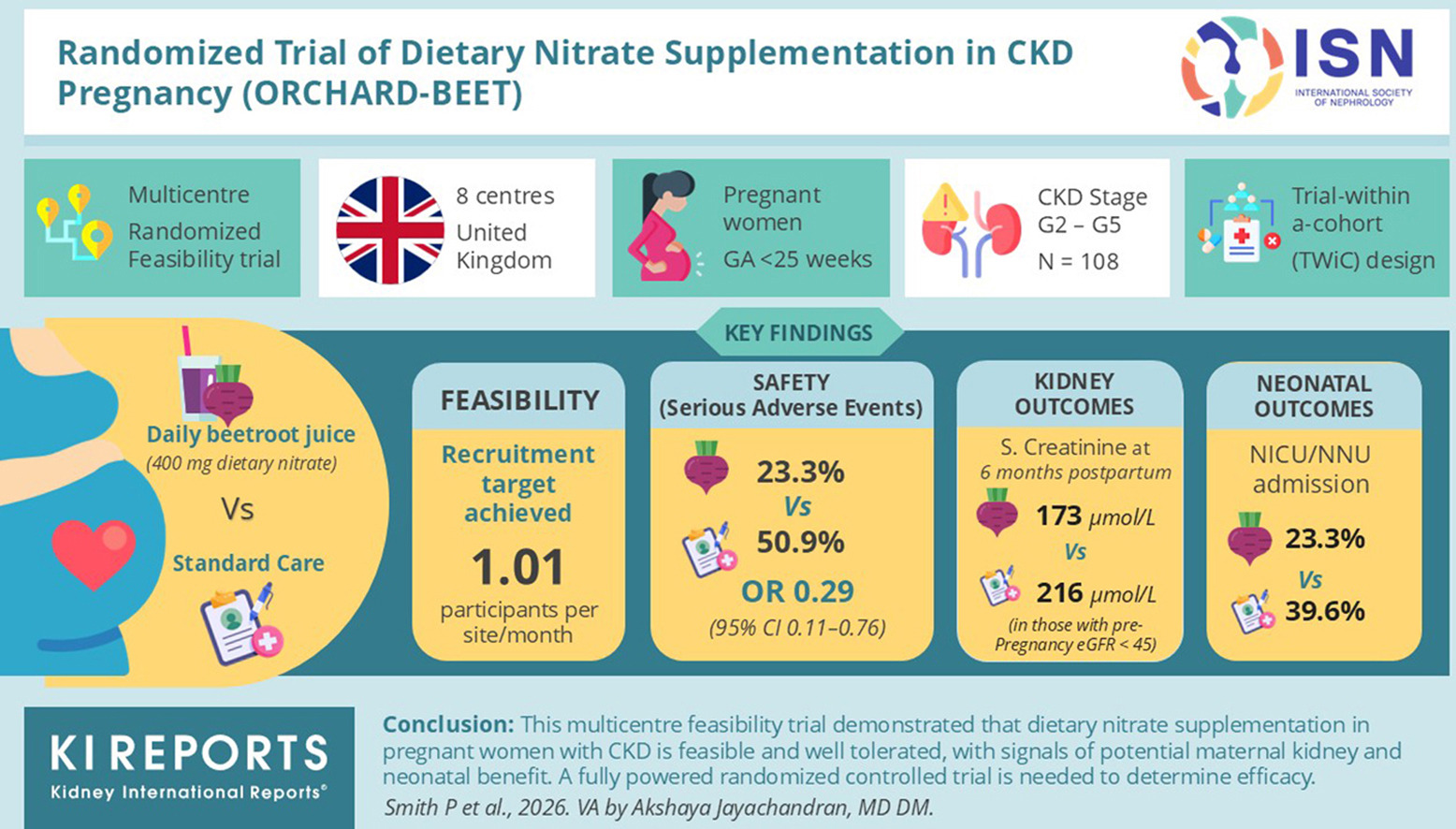
Randomized Trial of Dietary Nitrate Supplementation in CKD Pregnancy (ORCHARD-BEET) (Smith P et al, KI reports, 2026)