#NephJC #TenPosts Nov 3, 2026, 9pm EST
N Engl J Med. 2026 Oct 14. doi: 10.1056/NEJMoa2608397.
Intermittent or Continuous Renal-Replacement Therapy in Acute Kidney Injury
Stéphane Gaudry, Marouane Boubaya, Guillaume Louis, Khalil Chaïbi, Etienne de Montmollin, Julien Bohé, Maxime Desgrouas, Clément Devautour, Adrien Joseph, Bruno Mégarbane, Christophe Camus, Pierre Bailly, Alexis Lambour, Romain Arrestier, Samir Jaber, Adrien Robine, Nicolas Chudeau, Guillaume Chevrel, Béatrice La Combe, Jonathan Nicolas, Laurent Argaud, Côme Bureau, Antoine Kimmoun, Noémie Zucman, Jean-Damien Ricard, Guillaume Thiery, Stanislas Faguer, Mathieu Jozwiak, Nathan Ferrand, Benjamin Chousterman, Mehdi Marzouk, Julien Cadiet, Alain Combes, Arnaud Mari, Damien Contou, Roland Amathieu, Daniel Da Silva, Charlotte Salmon Gandonnière, Pierre-André Rodie-Talbere, Isabelle Durand-Zaleski, Patrick Rossignol, Jean-Pierre Quenot, Lucie Biard, Coralie Bloch, Didier Dreyfuss; ICRAKI Trial Group
Affiliations Expand
PMID: 42873070




Introduction
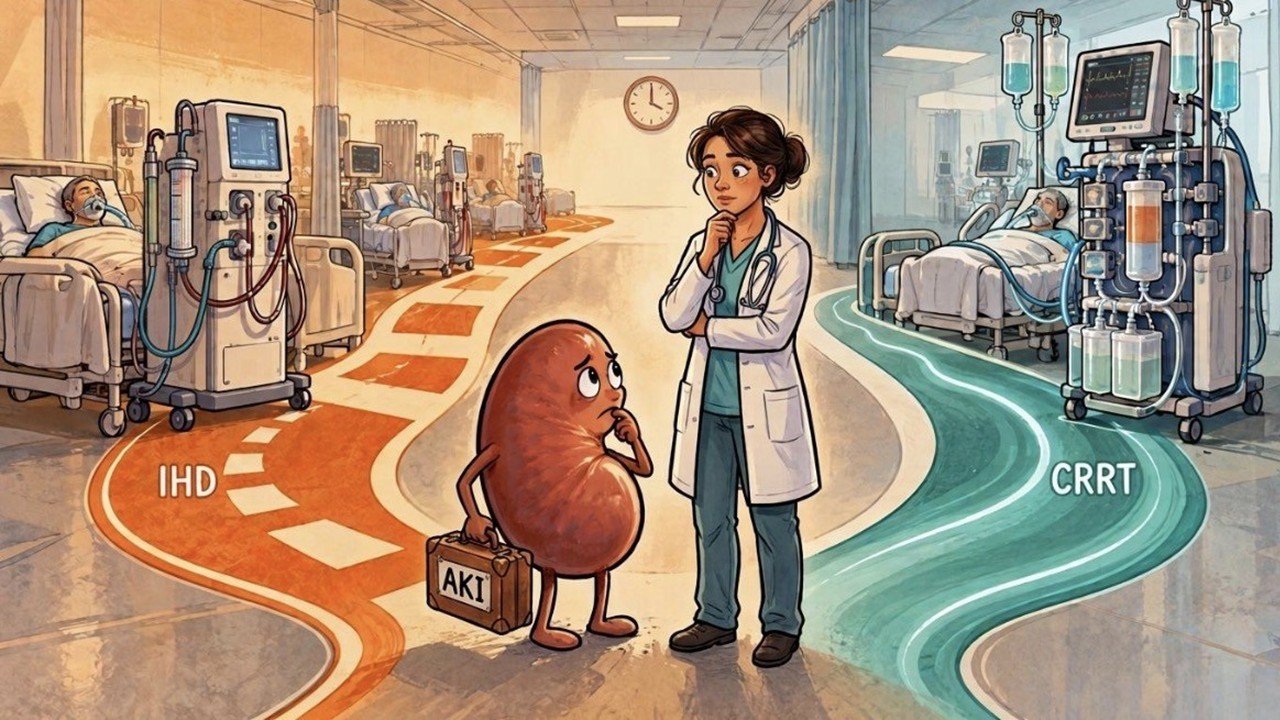
Severe AKI requiring renal-replacement therapy (RRT) in the ICU carries a higher risk of short-term mortality, prolonged hospitalization, and long-term chronic kidney disease. There are many potential RRTs used for AKI in the ICU including: intermittent hemodialysis (IHD),continuous hemodialysis, hemofiltration, or hemodiafiltration (CRRT), sustained low efficiency dialysis (SLED), and prolonged intermittent renal replacement therapy (PIRRT). Each “flavor” of dialysis has its own characteristics that affect volume and solute removal capacity. Which should be used first, and are there specific benefits or hazards associated with dialysis choice in critical patients, has been debated for decades. The KDIGO guidelines make a weak recommendation favoring CRRT in “hemodynamically unstable” patients.
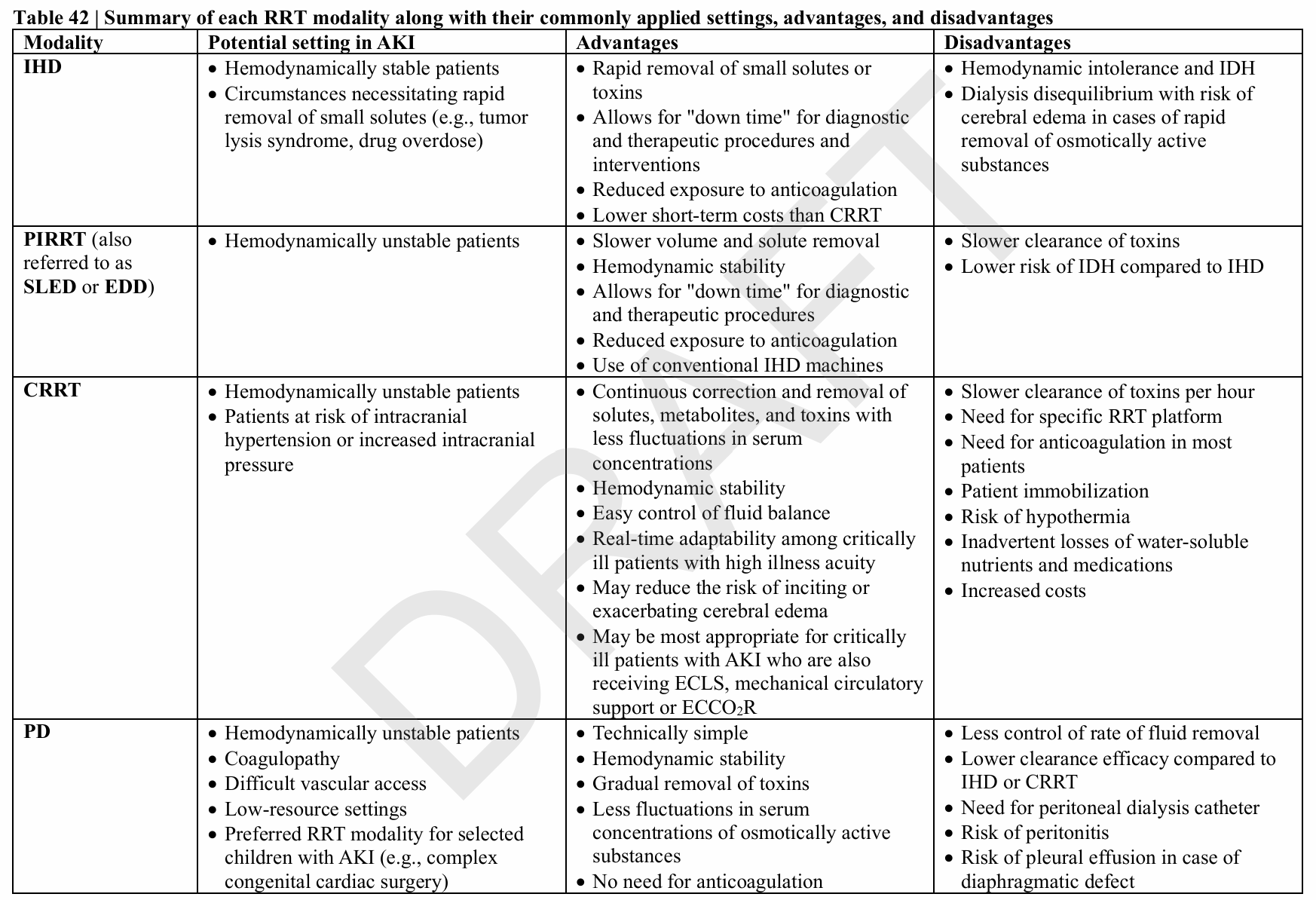
Table 42. RRT advantages and disadvantages from KDIGO 2026 Clinical Practice Guideline on Acute Kidney Injury, draft
Randomized evidence is both neutral and dated. The largest previous trial, Hemodiafe (360 patients with multiorgan dysfunction), found no difference in 60-day survival between IHD and continuous venovenous hemodiafiltration (mean difference 1.1%, 95% CI −8.8 to 11.1) and no difference in renal recovery (Vinsonneau et al., Lancet, 2006). A Cochrane review of 15 RCTs (1,550 patients) found no difference in mortality, renal recovery, or hypotension between dialysis modalities in hemodynamically stable patients, although the dose of dialysis may have varied significantly in the included studies (Rabindranath, et al. Cochrane Database Syst Rev, 2007). Two post hoc analyses of RRT-timing trials reached opposite conclusions and reopened the debate.A pooled analysis of AKIKI and IDEAL-ICU trials linked first-line CRRT to shorter 60-day survival, particularly in less severely ill patients ( Grolleau et al. Crit Care, 2022). Antithetically, STARRT-AKI in 2023 linked first-line CRRT to a lower risk of death or RRT dependence at 90 days (OR 0.81, 95% CI 0.66 to 0.99), with most of the effect from decreased dialysis dependence (OR 0.61, 95% CI 0.39 to 0.94).
With conflicting evidence, and often significant heterogeneity of patients across multiple studies, does dialysis modality really matter to patients with AKI in the ICU? This brings us to ICRAKI, which tested whether IHD as the first modality is non-inferior to CRRT for major adverse kidney events at day 90 (MAKE90).
The Study
Methods
Trial Design: Investigator-initiated, open-label, randomized noninferiority trial in 38 French ICUs. All sites were experienced with both RRT modalities. An independent data and safety monitoring board reviewed day-28 mortality. Its interim analyses were Bayesian and descriptive, with no prespecified stopping boundaries. The statistician who ran them is a senior author on the paper.
Funding
The French Ministry of Health publicly funded the trial, while Assistance Publique – Hôpitaux de Paris (AP-HP) served as the sponsor.
Inclusion Criteria
Adults in the ICU with AKI and at least one recognized RRT indication. Patients also had to be receiving, or have received, invasive mechanical ventilation and/or catecholamines. Both IHD and CRRT had to be available at the site.
The indications were:
refractory hyperkalemia
refractory metabolic acidosis
refractory pulmonary edema
KDIGO stage 3 AKI with urea >40 mmol/L
KDIGO stage 3 AKI with oligoanuria for more than 3 days
Suggested thresholds for the metabolic indications were:
potassium >6.5 mmol/L despite medical treatment
pH <7.15 with PaCO2 <35 mmHg
PaO2/FiO2 <200 with clinical volume overload
These thresholds were for guidance only. Investigators could start RRT below them if they chose.
Exclusion Criteria
Moribund state
eGFR <20 mL/min/1.73 m²
Dialyzable toxin
Suspected obstruction, rapidly progressive glomerulonephritis, vasculitis, thrombotic microangiopathy, or interstitial nephritis
Brain injury or elevated intracranial pressure,
Fulminant hepatic failure
Pregnancy
Randomization
1:1 through a central web-based system. Stratification factors were cumulative fluid balance (≥6 L vs <6 L), and norepinephrine/epinephrine dose (>0.5 vs ≤0.5 µg/kg/min). Vasopressin and angiotensin II were not stratified because their use is rare in France.
Interventions
The assigned RRT modality was mandatory from day 0 to day 3 unless the kidneys recovered. Switching was allowed from day 4.
IHD protocol recommended:
At least 3 sessions per week, each 4 to 6 hours
Blood flow >200 mL/min and dialysate flow >500 mL/min
Dialysate sodium >145 mmol/L and dialysate temperature 35°C
Bicarbonate dialysate
Median session length was 4 hours, Kt/V was about 1.0, and median net ultrafiltration was about 375 mL/h (table s3)
CRRT was CVVHD, CVVH, or CVVHDF at clinician discretion. The protocol recommended:
Delivered effluent of 20 to 25 mL/kg/h
Filter change every 72 hours
Regional citrate anticoagulation
Stopping RRT was to be considered when urine output exceeded 500 mL/24 h. It was strongly recommended above 1,000 mL/24 h without diuretics or 2,000 mL/24 h with diuretics.
Outcomes
Primary: MAKE90, defined as all-cause death, RRT dependence, or serum creatinine >25% above baseline at day 90. When no measured baseline creatinine was available, it was back-calculated with MDRD assuming an eGFR of 75.
Secondary: time-to-event mortality (days 28, 60, and 90), RRT dependence and creatinine elevation at days 60 and 90, organ-support-free days, length of stay, eGFR at ICU discharge, and prespecified complications.
The protocol originally defined hypotension by blood pressure (systolic <80 mmHg or a fall >50 mmHg). This was later amended to an intervention-based definition: starting or increasing catecholamines, or giving more than 250 mL of IV fluid. The rationale for the change was that blood-pressure data was not systematically available.
Statistics
The trial was a non-inferiority design (see Manasi’s post for more on this design) between CRRT and IHD. The sample was intended to be 1,000 patients, assuming a MAKE90 incidence of 75%, for 80% power. The noninferiority margin was 7.5 percentage points absolute, or about 10% relative. This would mean that the 95% CI of MAKE90 had to be within this margin to establish non-inferiority. The main paper says the margin follows regulatory guidance, but the appendix says no such guidance exists and it was chosen pragmatically. The prespecified "intention-to-treat" population included randomized patients who received at least one RRT session. The authors acknowledge this as a modified ITT. The per-protocol population included eligible patients who received the assigned modality and did not switch between days 0 and 3. (note that a per protocol design might be superior - no pun intended - than an ITT design in a non-inferiority design; Sanchez and Chen Stat Med 2006).
Results
The study assessed for eligibility 1268 participants from October 2023 to July 2025. 554 underwent randomization with 272 in the iHD and 282 in the CRRT group (as shown in figure S1). The study had planned to enroll 1,000 patients but was terminated early. Two interim analyses were initially planned; The second planned look was brought forward from 600 to 450 patients. After it, enrollment was suspended and a third look was added. The DSMB ultimately advised definitive termination because of a survival difference favoring CRRT. There was no pre-specified numerical boundary to terminate the trial.
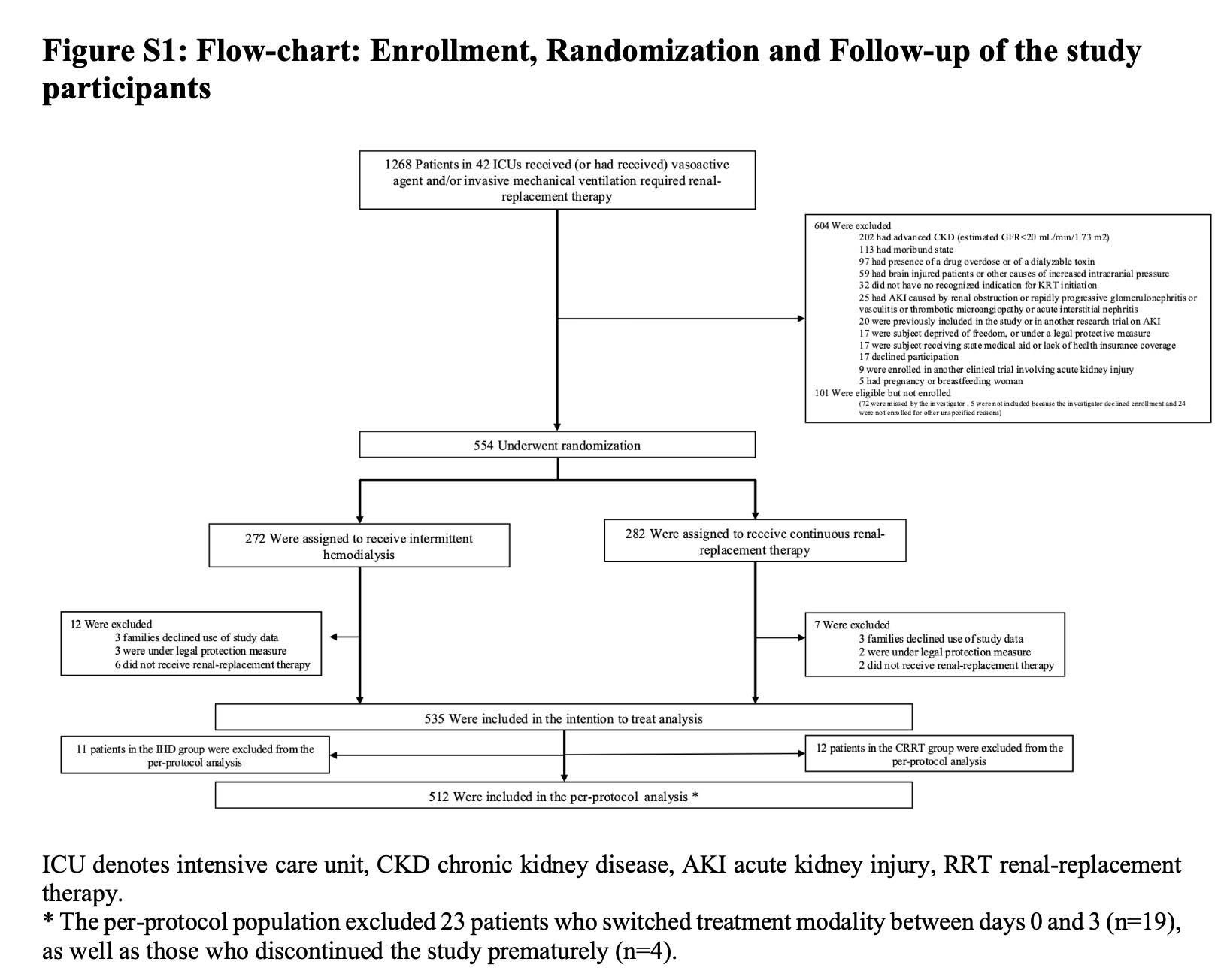
Figure S1: CONSORT diagram from S. Gaudry et al, NEJM 2026.
The baseline characteristics were generally balanced, although surgical admissions and pre-existing chronic kidney disease were more frequent in the IHD group.
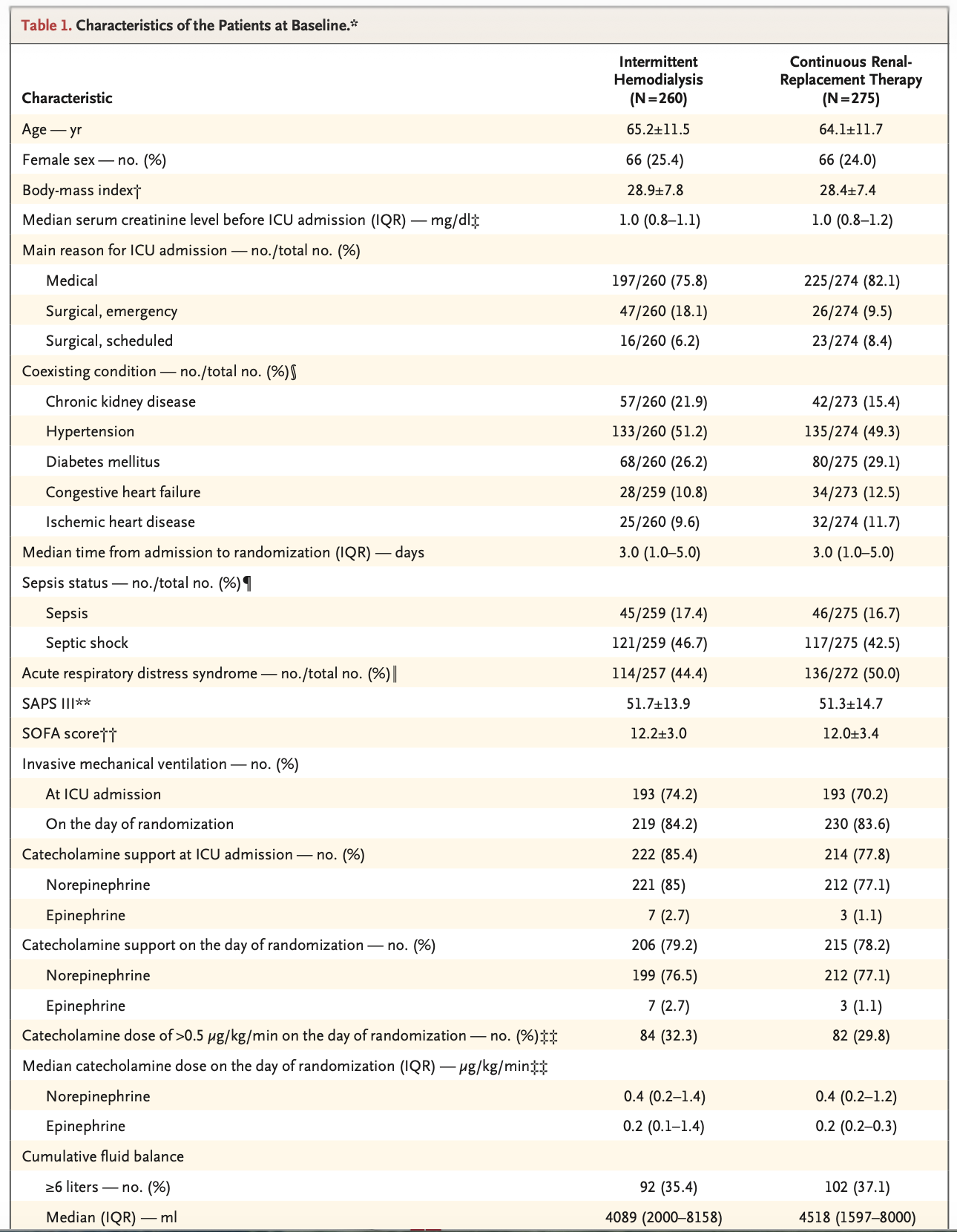
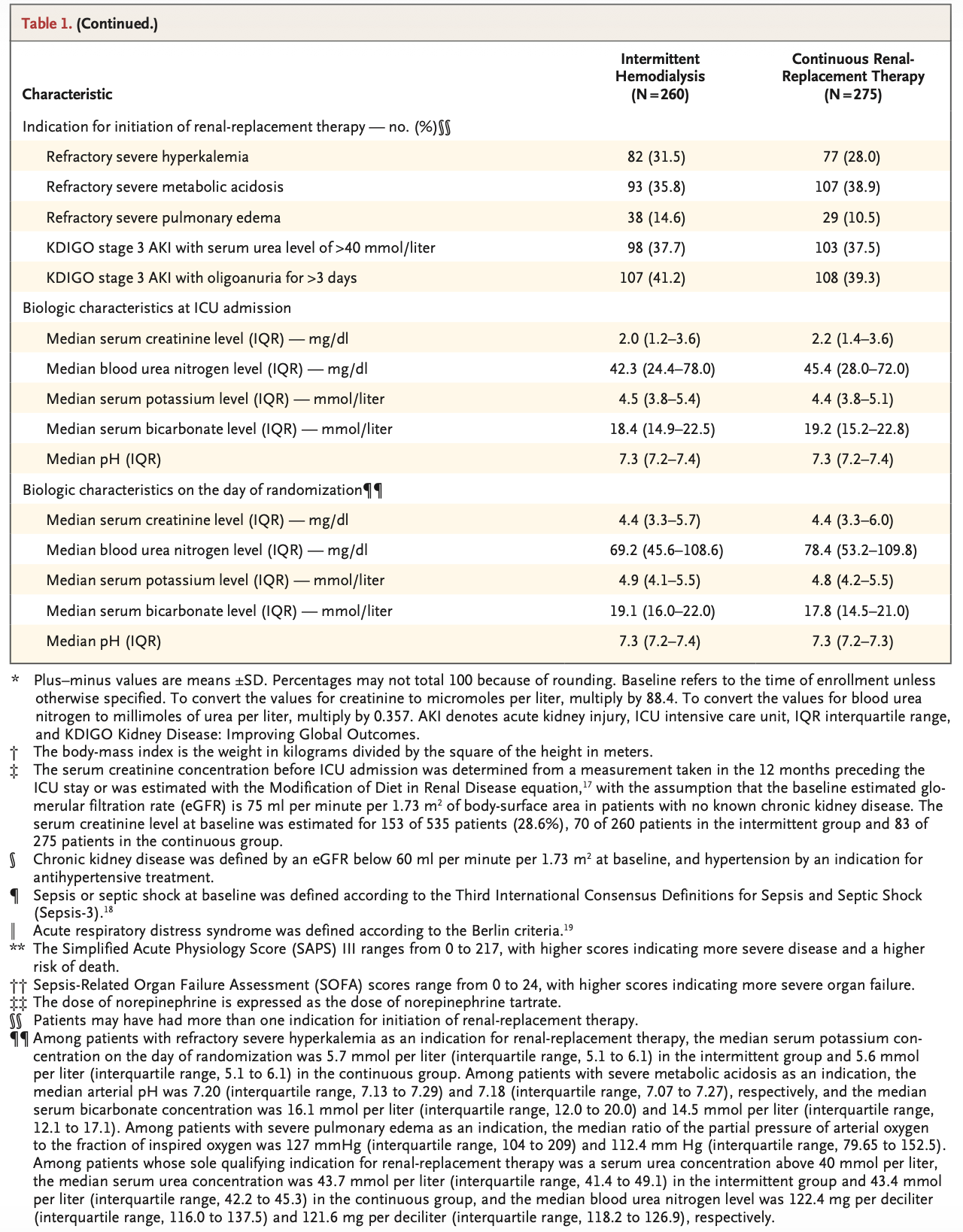
Table 1. Baseline characteristics of study participants, from S. Gaudry et al, NEJM 2026.
The median duration of renal replacement therapy was 5 days (interquartile range [IQR], 2 to 15) in the IHD group and 7 days (IQR, 3 to 15) in the CRRT group. The RRT delivered over 28 days in the two study arms is shown in figure S2 below. Overall, 57 of 260 patients (22%) in the intermittent-hemodialysis group and 117 of 275 patients (43%) in the continuous renal-replacement-therapy group received the alternative modality during follow-up. Although the study required zero to 3 days of adherence to be assigned a dialysis modality, 10 patients (3.8%) assigned to intermittent hemodialysis and 9 patients (3.3%) assigned to continuous renal-replacement therapy switched before day 4. Authorized switches from CRRT to IHD occurred in 108 patients and also in 47 patients from IHD to CRRT.
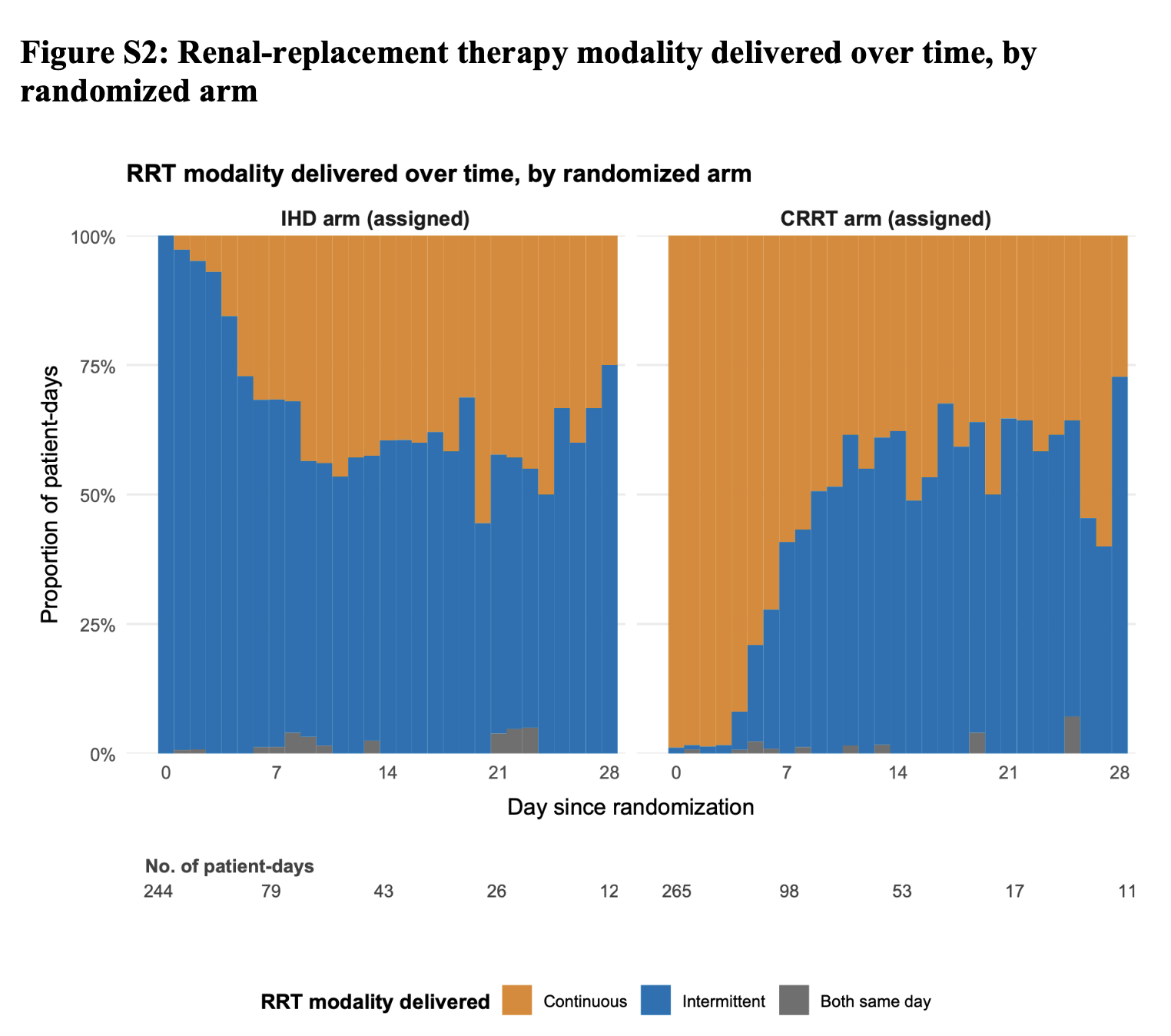
Figure S2. Renal replacement therapy modality received in the two study groups as per their assignment at randomisation, from S. Gaudry et al, NEJM 2026.
The proportion of patients receiving catecholamines on the day of switching was higher among those switched from IHD to CRRT than among those switched from CRRT to IHD (79% vs 47% overall; 77% vs 43% among protocol-authorized switches after day 3), suggesting that switching from IHD to CRRT was more often associated with ongoing hemodynamic instability and pressor support.
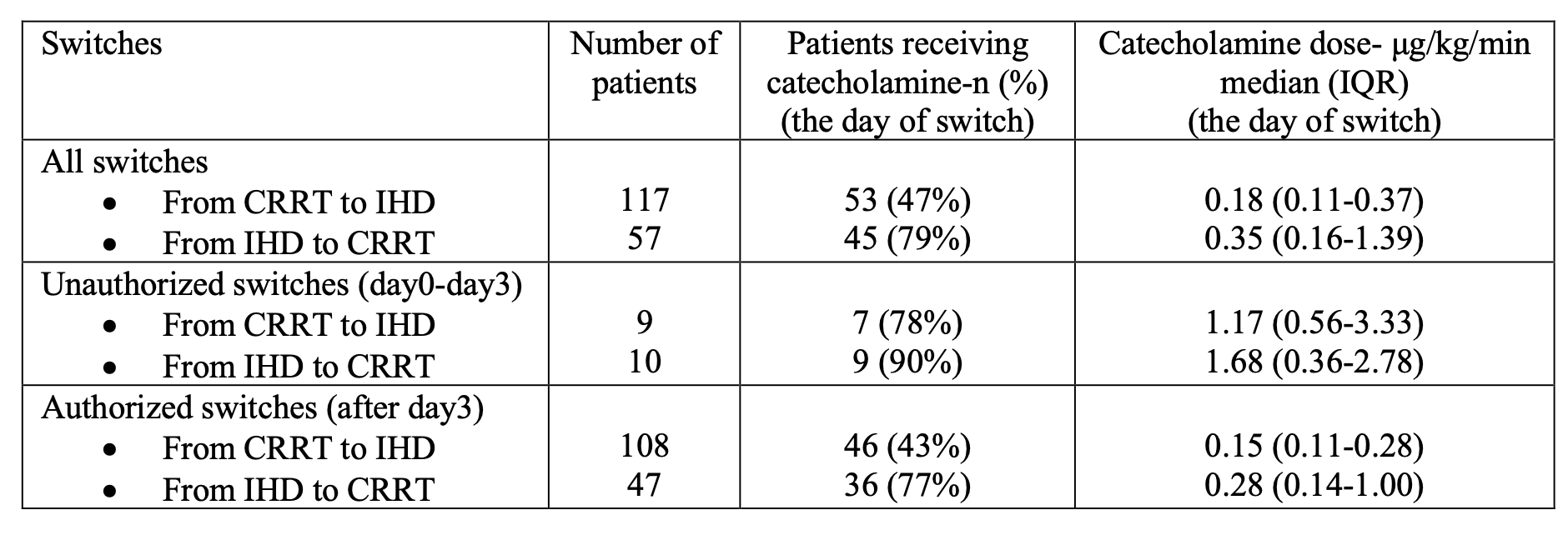
Figure S2b : Switches in renal replacement therapy modality in the study groups, from S. Gaudry et al, NEJM 2026.
Outcomes
Data on survival was available for 99.3% of patients. The primary outcome, major adverse kidney events at day 90 (MAKE-90) occurred in 78% versus 72% in those assigned to IHD and CRRT respectively. The adjusted absolute risk difference was 6.3%, (95% confidence interval [CI], −1.22 to 13.79) represented by the solid black box in figure S3, with an adjusted risk ratio of 1.09 (95% CI, 0.98 to 1.20; P=0.10). Because the upper boundary of the confidence interval exceeded the prespecified noninferiority margin of 7.5 percentage points (dotted red vertical line in figure S3), noninferiority of IHD was not established. The difference in the primary outcome also did not establish statistically significant superiority of CRRT. Results in the per-protocol population were similar. The mortality was higher in patients on IHD with HR of 1.3 (95% CI, 1.04 to 1.63), with the Kaplan-Meier Curves of probability of death showing the difference at day 7 through 90 (figure 1). The details of outcomes are shown in Table 2. The signal is fragile. After adjusting for baseline imbalances, the HR falls to 1.26 (1.01-1.58). In the per-protocol populations, it is 1.27, exactly the trial's noninferiority margin for mortality.
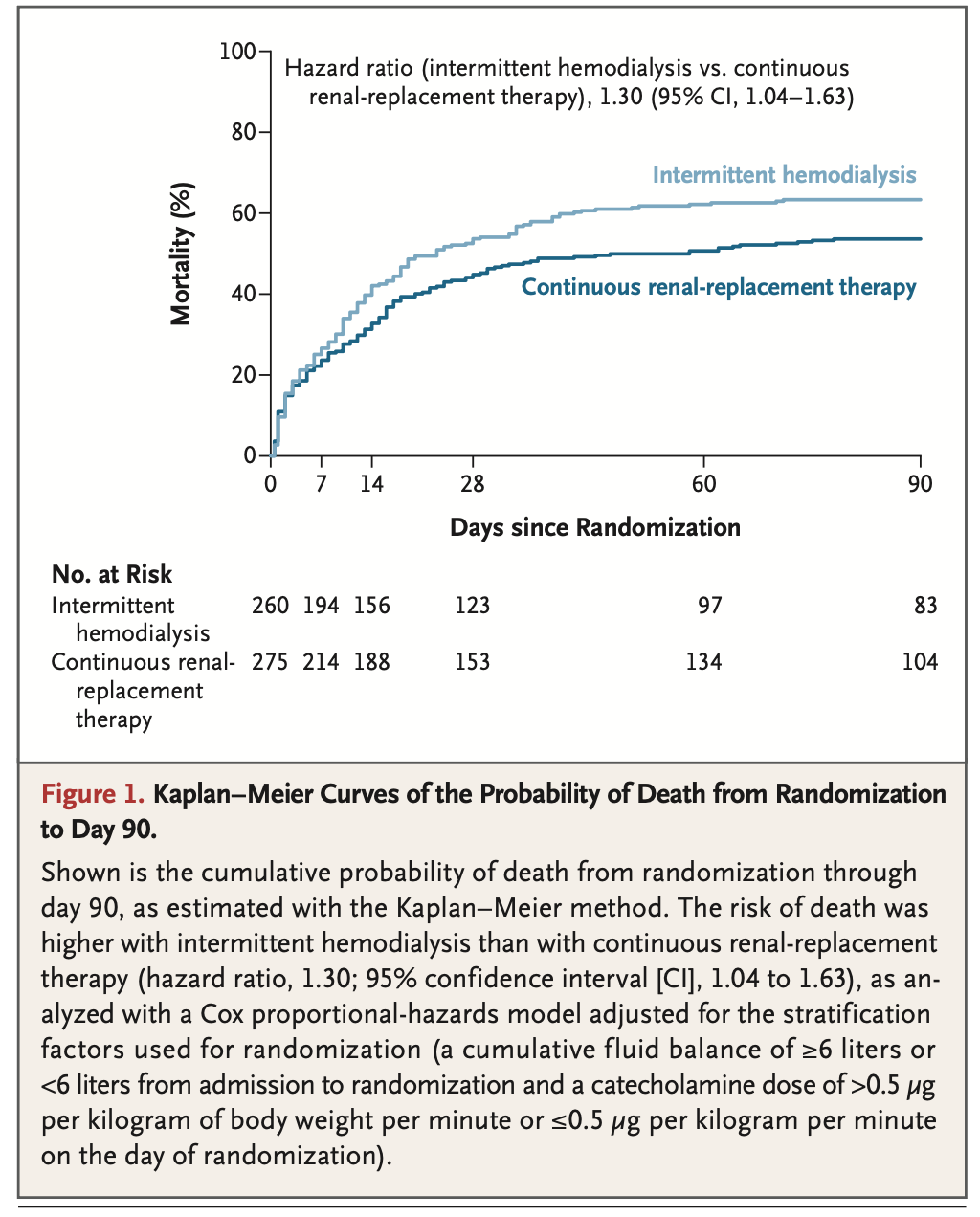
Figure 1: Kaplan-Meier Curves of probability of death in study groups, from S. Gaudry et al, NEJM 2026.
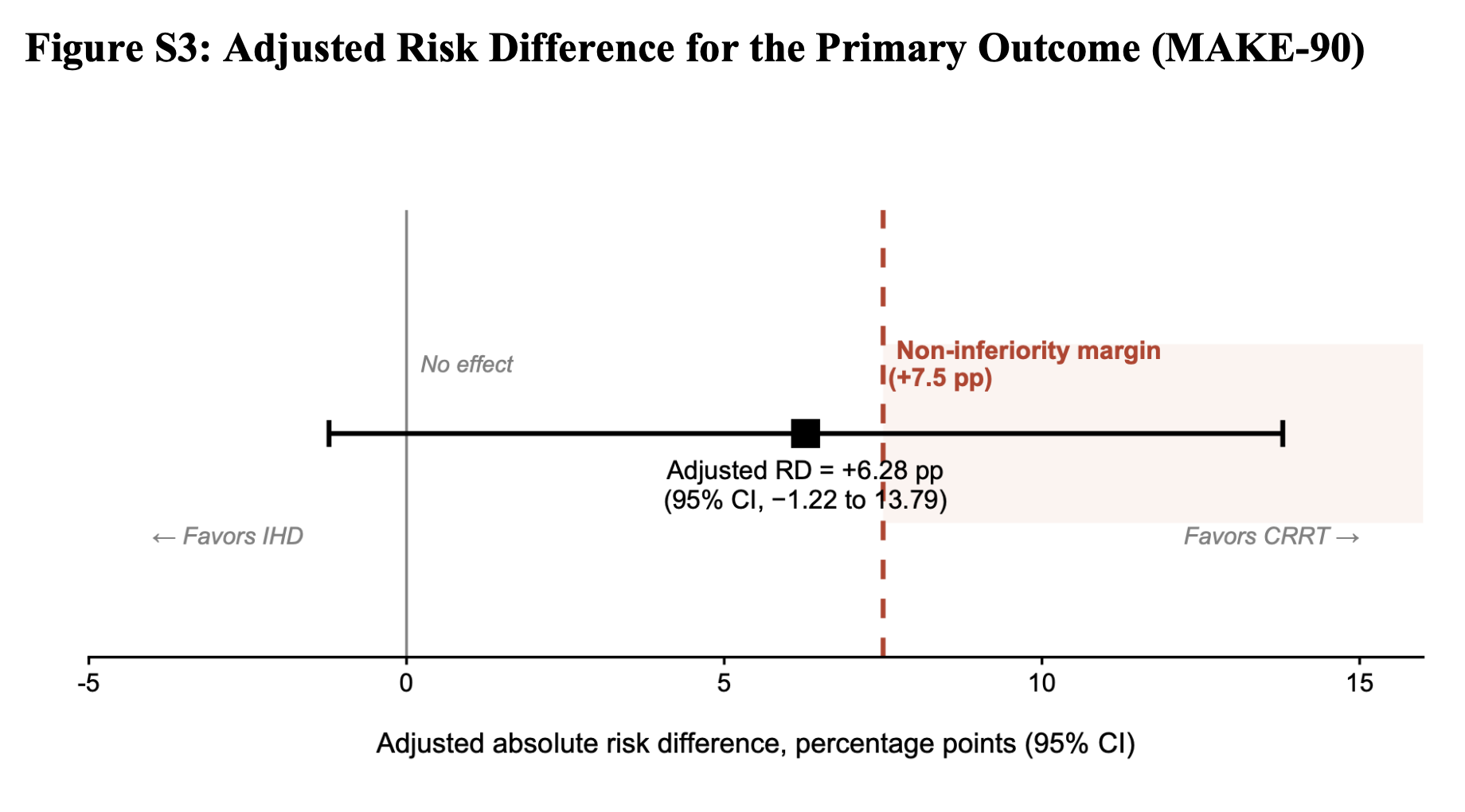
Figure S3. Primary outcome, from S. Gaudry et al, NEJM 2026.
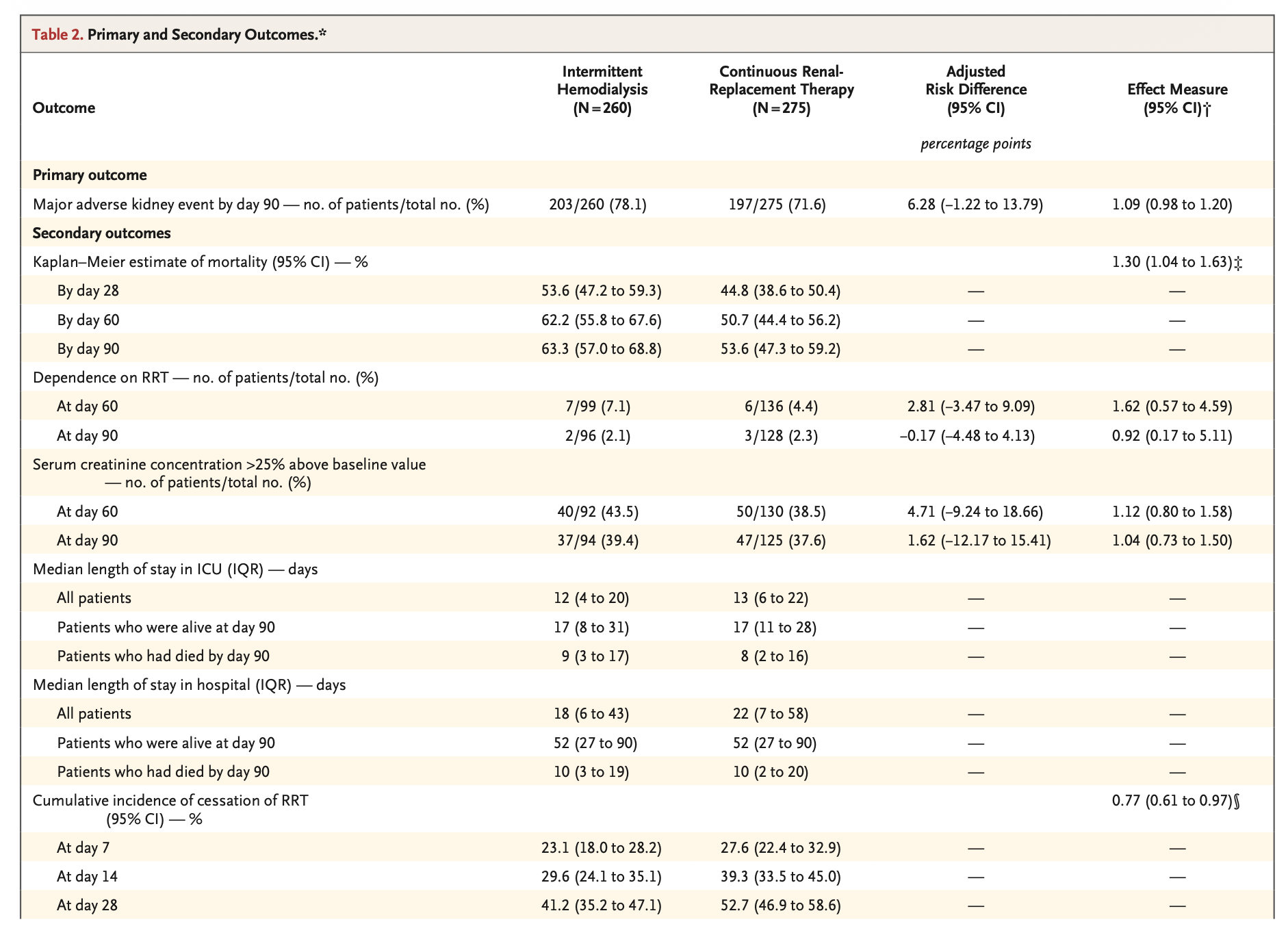
Table 2: Primary and secondary outcomes, from S. Gaudry et al, NEJM 2026.
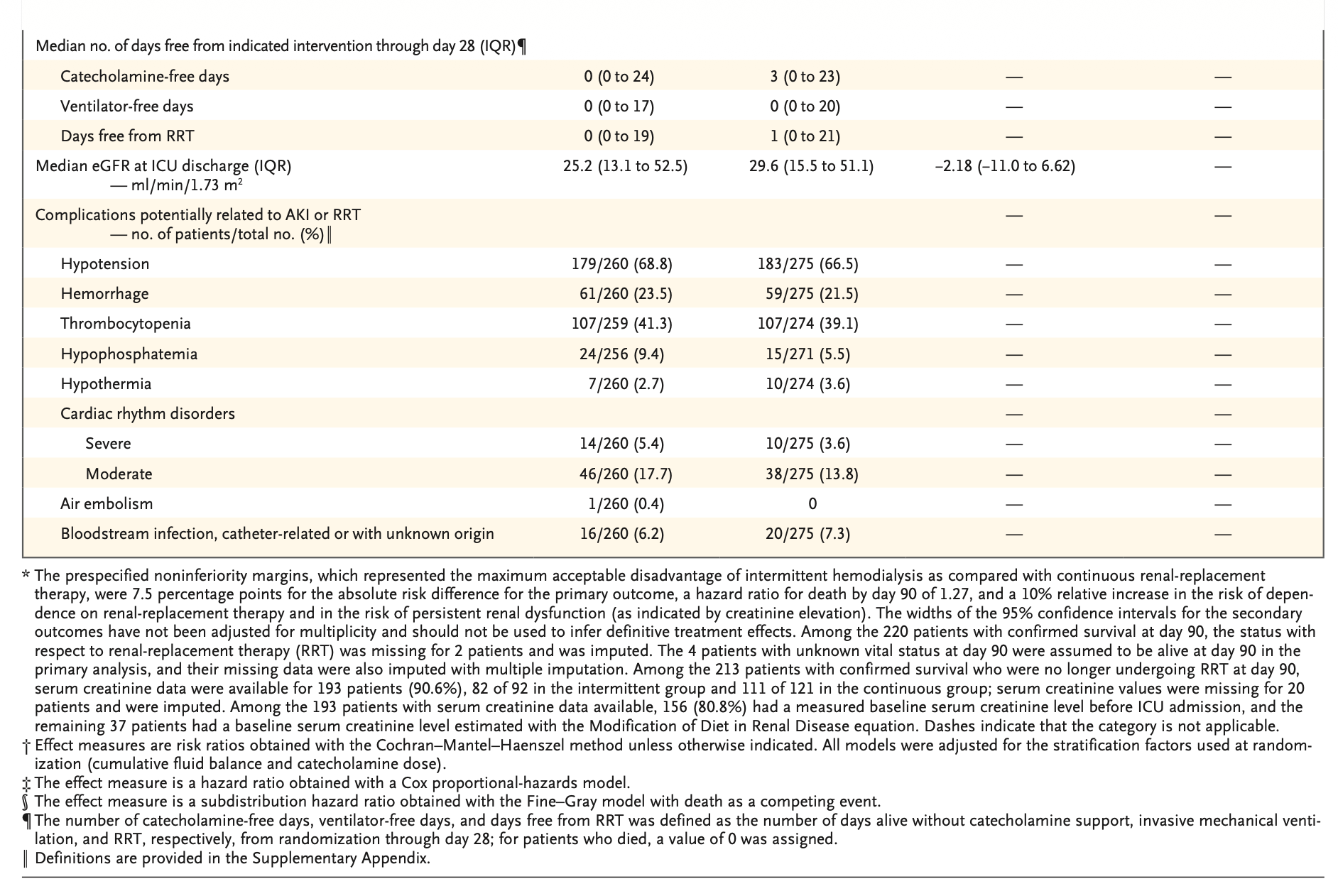
Table 2 (cont): Primary and secondary outcomes, from S. Gaudry et al, NEJM 2026.
The subgroup analyses demonstrates numerically higher point estimates for CRRT over HD across pre-specified groups (figure 2), however, in most subgroups confidence intervals were wide and included the null effect.
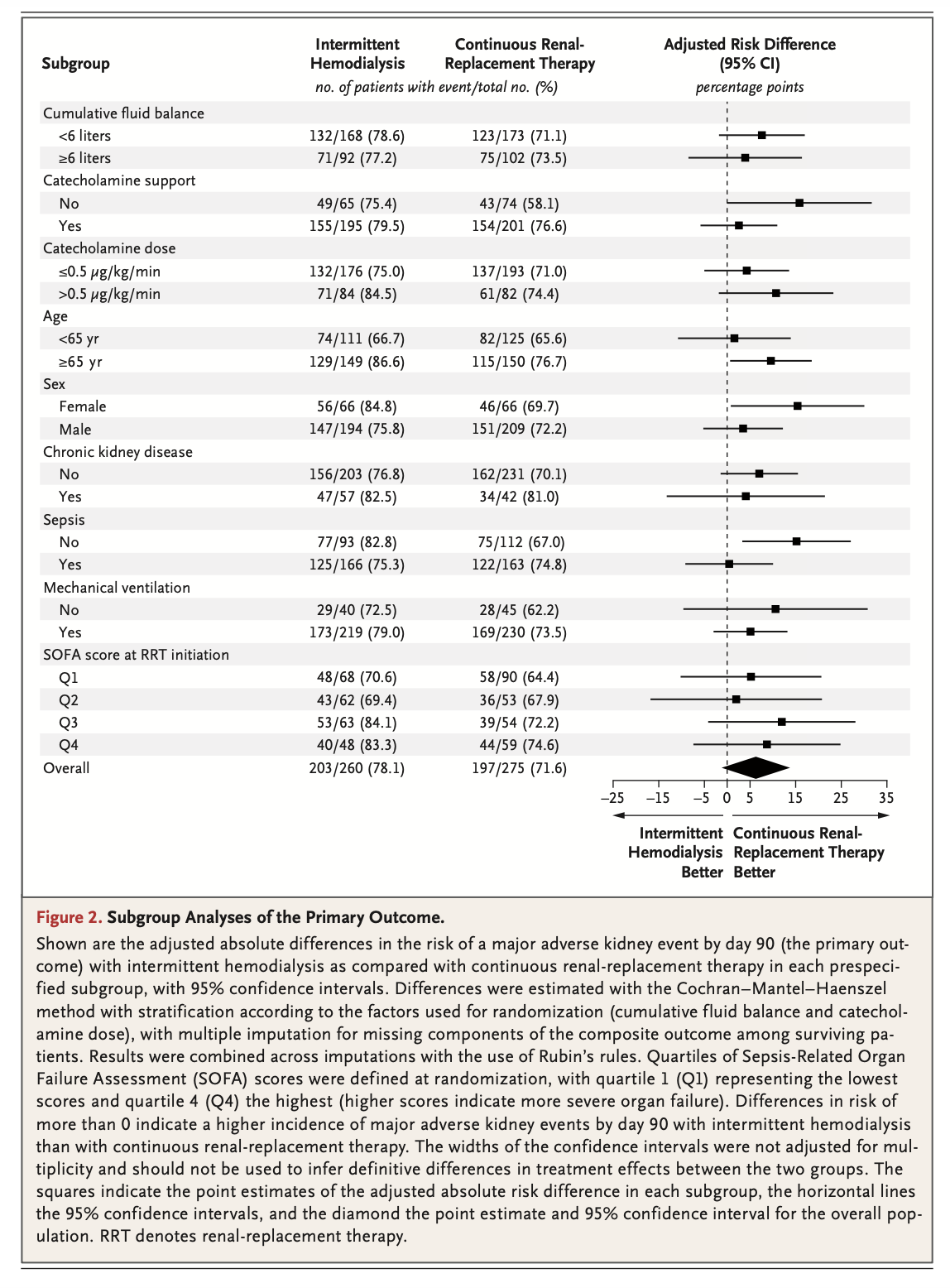
Figure 2. Subgroup analyses for MAKE90, from S. Gaudry et al, NEJM 2026.
Discussion
The ICRAKI trial addresses a longstanding question in critical care nephrology: whether intermittent hemodialysis (IHD) or continuous renal-replacement therapy (CRRT) should be initiated in critically ill patients with severe acute kidney injury (AKI). The trial was terminated early after interim monitoring identified a signal of higher mortality with IHD at day 28 that persisted after a follow up at day 90. The trial also did not demonstrate non-inferiority of IHD to CRRT for the primary MAKE90 outcome, while taking the caveat that this was underpowered given the early termination of the trial.
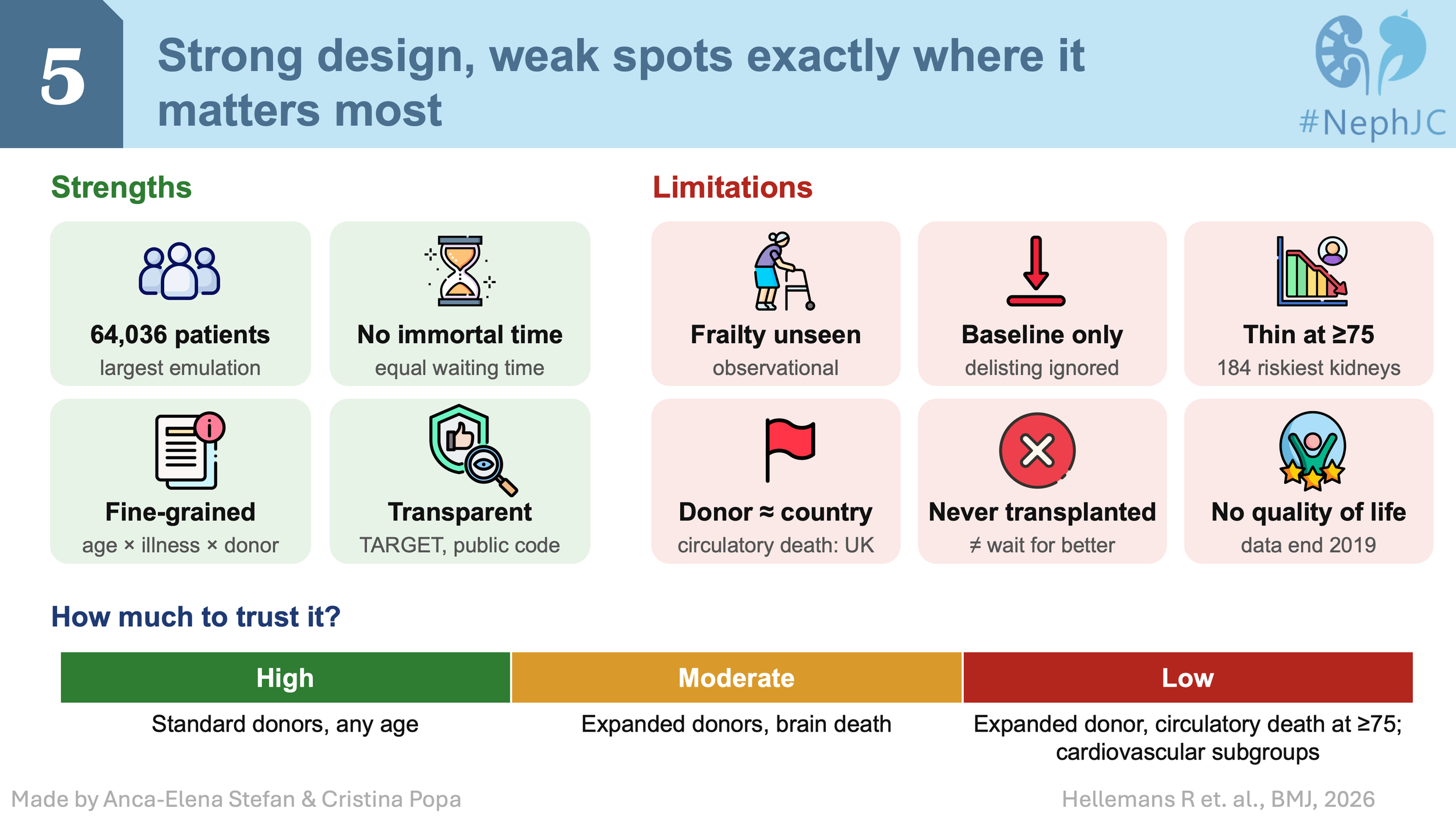
The primary outcome, in this prematurely terminated and thus underpowered study, is consistent with previous trials and a recent systematic review (Ma H et al, Evid Based Complement Alternat Med, 2023), which have not demonstrated a clear mortality or kidney recovery difference between IHD and CRRT. However, the higher mortality observed with IHD in ICRAKI contrasts with the largely neutral findings of earlier randomized trials. Although some trials reported numerically higher mortality with IHD, these differences were not statistically significant and studies differed in patient selection, treatment protocols, delivered dialysis dose, outcome assessment, and many were conducted in an earlier era of AKI management.
The higher mortality in IHD as compared to CRRT found in ICRAKI warrants further consideration, particularly given the early termination of the trial. The separation in Kaplan Myer curves was apparent 7 days after randomization, and persisted through 90 days. Although stopping a trial in response to a concerning mortality signal may be ethically justified, early termination can exaggerate the apparent magnitude of a treatment effect and limit the precision of its estimates. Patients in whom CRRT is considered the only feasible modality are often those requiring catecholamine support, who already have a high risk of mortality due to hemodynamic instability and the severity of the underlying disease. The mortality in ICRAKI was higher than that reported in the delayed-treatment groups of previous AKI trials, such as AKIKI and STARRT-AKI. This may reflect the greater severity of illness in the ICRAKI population, which required RRT and had a high prevalence of mechanical ventilation and catecholamine support.
The substantial crossover between groups further complicates interpretation. Switching to the alternative modality occurred in approximately 22% of patients assigned to IHD and 43% assigned to CRRT, with a small number of switches occurring before the protocol-permitted period. Thus, ICRAKI is not a direct comparison of sustained IHD versus sustained CRRT throughout the course of AKI; rather, it evaluates the choice of initial RRT modality, with subsequent treatment decisions made according to the clinical course. The day-28 and day-90 outcomes remain valid for this initial-strategy comparison, but cannot establish the comparative effects of sustained treatment with either modality.
The catecholamine use at randomization was similar in the two groups, but patients receiving IHD required more frequent catecholamine escalation and higher catecholamine doses during RRT. This may indicate greater hemodynamic stress during IHD, particularly in patients with patients with limited haemodynamic reserve. Moreover, hypotension was defined operationally by the need to initiate or escalate catecholamine support or administer more than 250 mL of intravenous fluid, rather than by a specific blood-pressure threshold. This limits the interpretation of the reported incidence of hypotension as a measure of intradialytic hemodynamic instability.
From a practical standpoint, the choice is not always between conventional IHD and CRRT. Prolonged intermittent therapies such as sustained low-efficiency dialysis (SLED) are widely used in critically ill patients and may offer an alternative when haemodynamic tolerance, resource availability or cost is a concern. The findings of ICRAKI cannot be directly extrapolated to prolonged intermittent therapies. The availability and cost of CRRT, together with the expertise of the treating centre and the availability of trained personnel, also influence its effective delivery. Frequent circuit downtime and interruptions can compromise solute clearance and the control of fluid balance, electrolytes and acid–base status, particularly when manpower and technical support are limited.
Will ICRAKI change our practice? Probably not, due to substantial limitations from early termination. Although the trial raises concerns about initiating conventional IHD in critically ill patients with severe AKI, it does not establish the superiority of sustained CRRT over other modalities. However, if a centre is practicing IHD - there is little reason to not utilize SLED instead - which uses the same machines and staff and arguably is better tolerated hemodynamically as elaborated in a narrative review by Clark EG et al. The choice of kidney-replacement therapy will continue to depend on the patient's clinical condition, haemodynamic status, local expertise, resource availability and the ability to deliver the chosen modality adequately.
Conclusion
ICRAKI attempted to determine the non-inferiority of IHD to CRRT as the initial dialysis modality in ICU patients with AKI. Due to an unexpected elevated rate of mortality in IHD patients, the study was stopped early and only enrolled half of the number of planned patients. Further conclusions about the primary outcome, MAKE90, are thus underpowered and hypothesis generating at best, and do not change the current practice of physician preference.
Summary by
David White FNP-C
Smita Divyaveer,
Associate Professor,
Department of Nephrology,
PGIMER, Chandigarh, India
Reviewed by
Swapnil Hiremath, Brian Rifkin, Cristian Popa