We missed posting the wrap up on this one!
Here are the transcripts
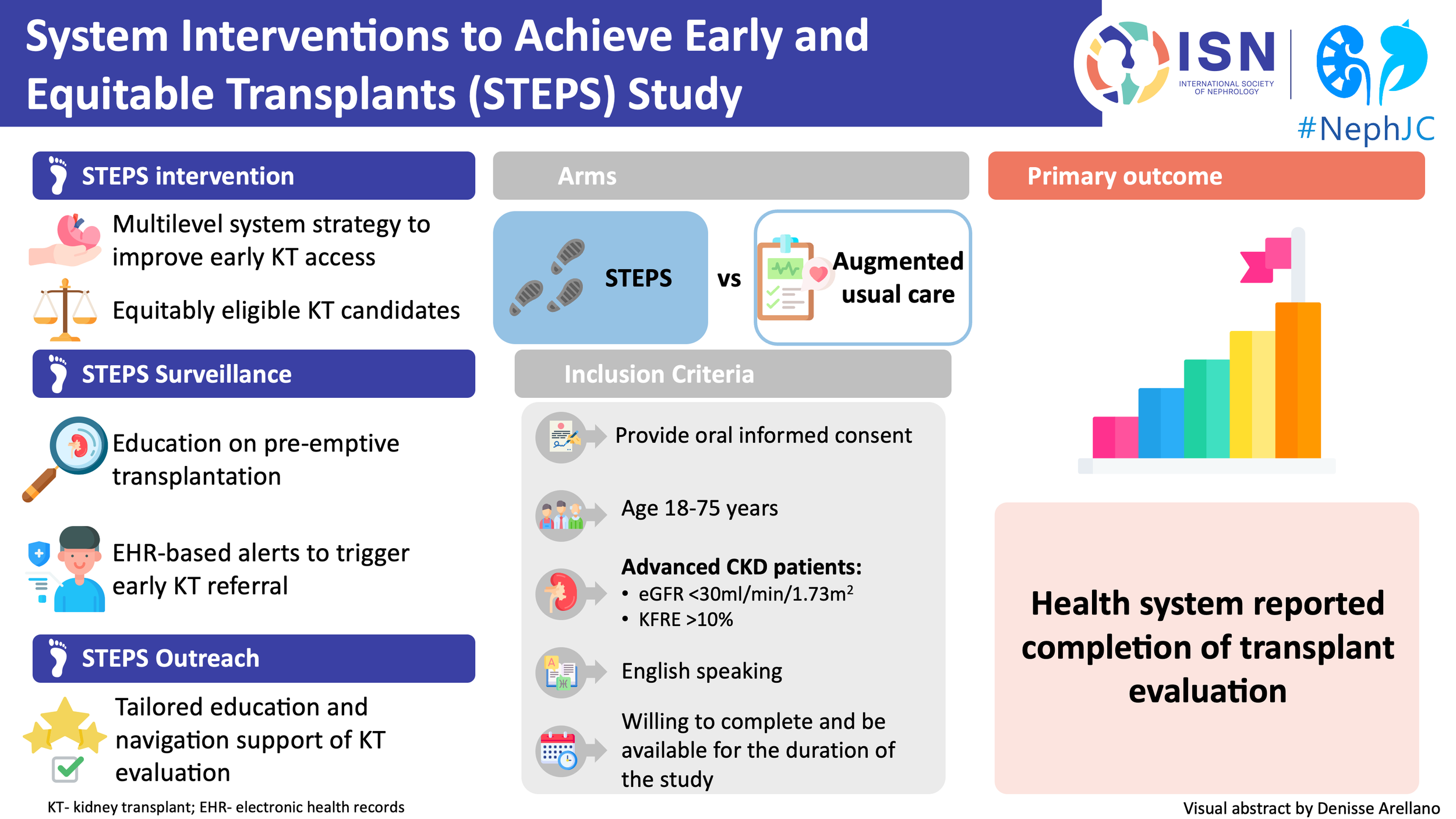
Summary of the STEPS trial which will be a twitter spaces discussion
This week, we will discuss the HIT trial- a large randomized study challenging one of the most reflexive responses in hospital medicine: see hyponatremia, fix the sodium. But what if correcting the number doesn’t change what actually matters?
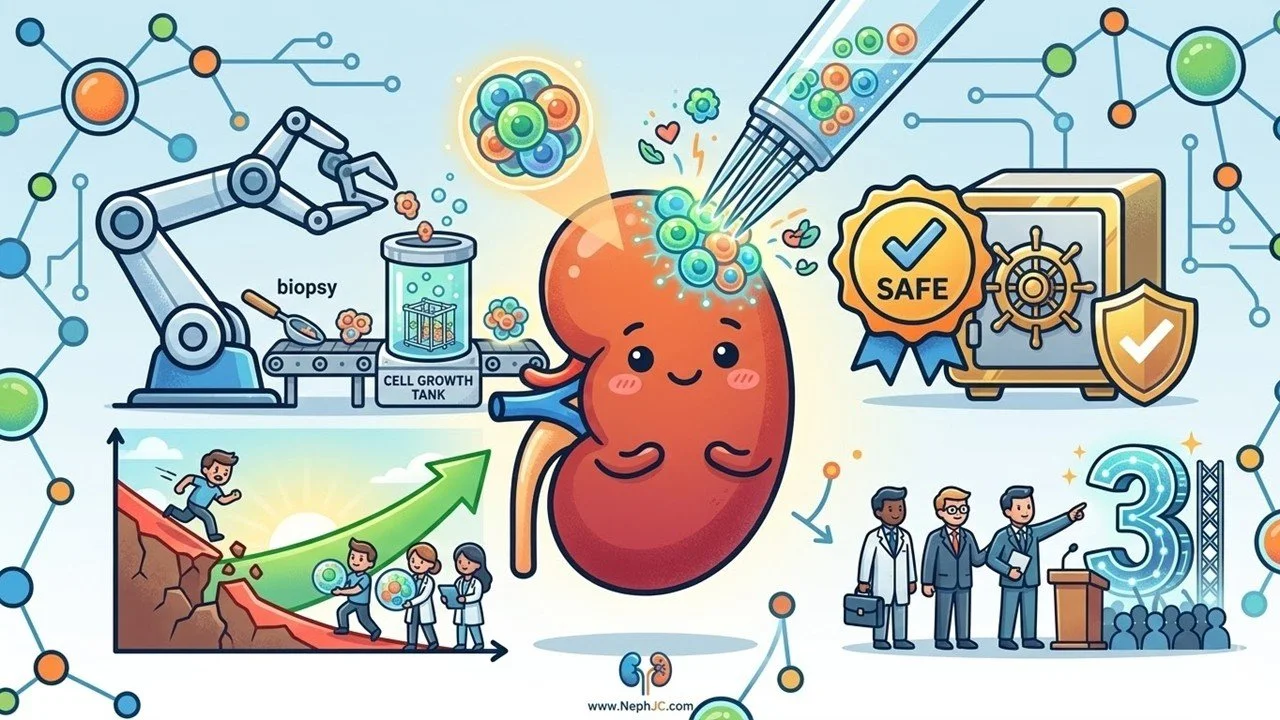
This week, we will discuss the use of renal autologous cell therapy (REACT) in diabetic kidney disease.
Storify by the folks at #JHMChat. Great to have first author Sam Silver join us. Fabulous participation.
Hot on the heals of our chat with #RheumJC we will be teaming up with the editors of the Journal of Hospital Medicine to discuss Cost of Acute Kidney Injury in Hospitalized Patients. Open access to the article is available here. You will also be able to get CME for participating in this chat. Information on that here.
Two items of note:

We are still discussing if we will have a EU/GB chat for this article. If you would participate in an EU discussion of this article tweet us.
Expect a full background post on this article once we get a chance to read it ;-)
Here is our second attempt to putting together a visual abstract. Went horizontal instead of vertical this time. Still feeling out this new medium.

And here is the animated GIF
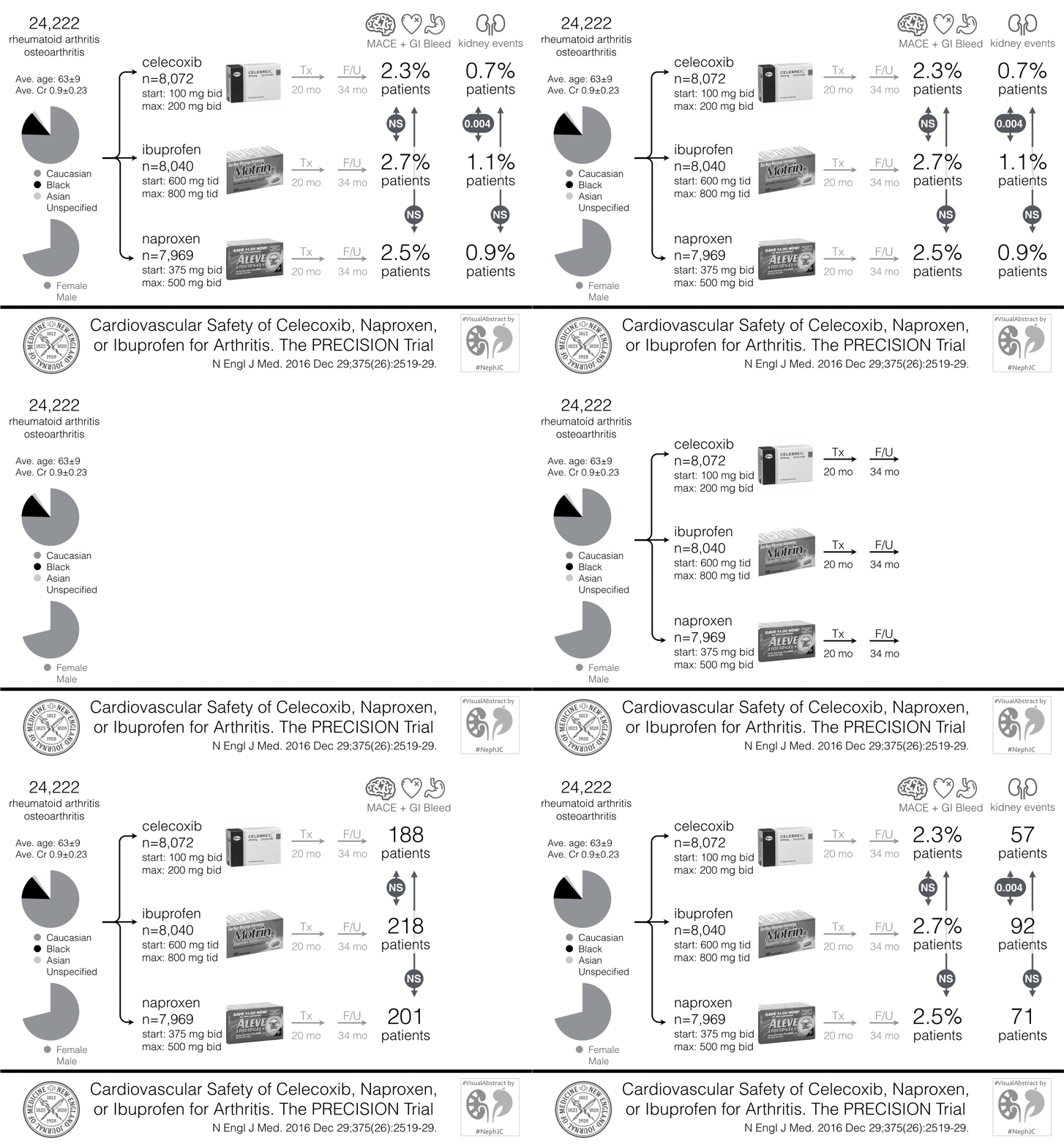
I think GIFCreator is the best online GIF creator. Tried a few of them. This was the best and gave me the most control.
When looking for the NEJM logo in google image search I came across this page. Breaks my heart. We miss you Alex.
Last month Andrew Ibrahim got the academic world tweeting when he launched his primer on making visual abstracts.
"A Primer How to Create a #VisualAbstract" in the works! Will make open source once done #MedEd #FOAMed Here's a preview: pic.twitter.com/J6fjQnSuvR
— Andrew M. Ibrahim MD (@AndrewMIbrahim) December 7, 2016
Take a look at the primer here (alt). We tried our hand at a visual abstract for next week's #NephJC

Click to download high quality PDF version.
I then tried making an animated gif and realize that this Visual Abstract is too complex. Will be better net time.
We had two good chats in the shadow of the impending Holiday vacation. Here are the summaries:
Renal physiology and pathophysiology is widely regarded as one of the most challenging subjects in the pre-clinical studies of medical school. The challenging subject has been blamed for the downturn in interest in our fine specialty. To help combat this we have started an initiative where a medical students can post a question to Twitter and get an answers from practicing nephrologists and basic scientists. See the kick off post at PBFluids.
The way this works is, if a student has a question they post it to Twitter with the hashtag #AskRenal. We have a bot that scours Twitter for this hashtag and will retweet the question while tagging @NephJC. NephJC will amplify the question to its audience of nephrology nerds who will then provide answers tagging the initial questioner.

Everything is in place, we are just waiting to get some student questions.
Inorder to better promote this we would like to capture when different medical students teach renal physiology and renal pathophysiology. If you know the schedule of one or two medical schools, please enter the class timing on to this crowd sourced spreadsheet.